Green GrowthSuriname
Nederlands

Projects

Work since 2019, newest first. Three strands run alongside each other — models that put nature into national decision-making, enterprises owned by the communities that run them, and the training and facilities both depend on.

Social development research and consultancy

We bring expertise in social development and addressing complex social challenges through an integrated approach combining stakeholder engagement, social research and strategic communication. Recognising that sustainable solutions must be grounded in the realities of the people and places they serve, we develop and facilitate stakeholder engagement processes, Environmental and Social Impact Assessments (ESIAs), baseline studies and actionable development models. Our work is informed by a deep understanding of Suriname’s social, cultural and institutional context, with particular attention to the needs, perspectives and priorities of different target groups, including rural communities and Indigenous and Tribal Peoples. By connecting local knowledge, evidence and stakeholder perspectives, we help translate complex challenges into practical, inclusive and locally relevant solutions.

2026

New models2026 – ongoing

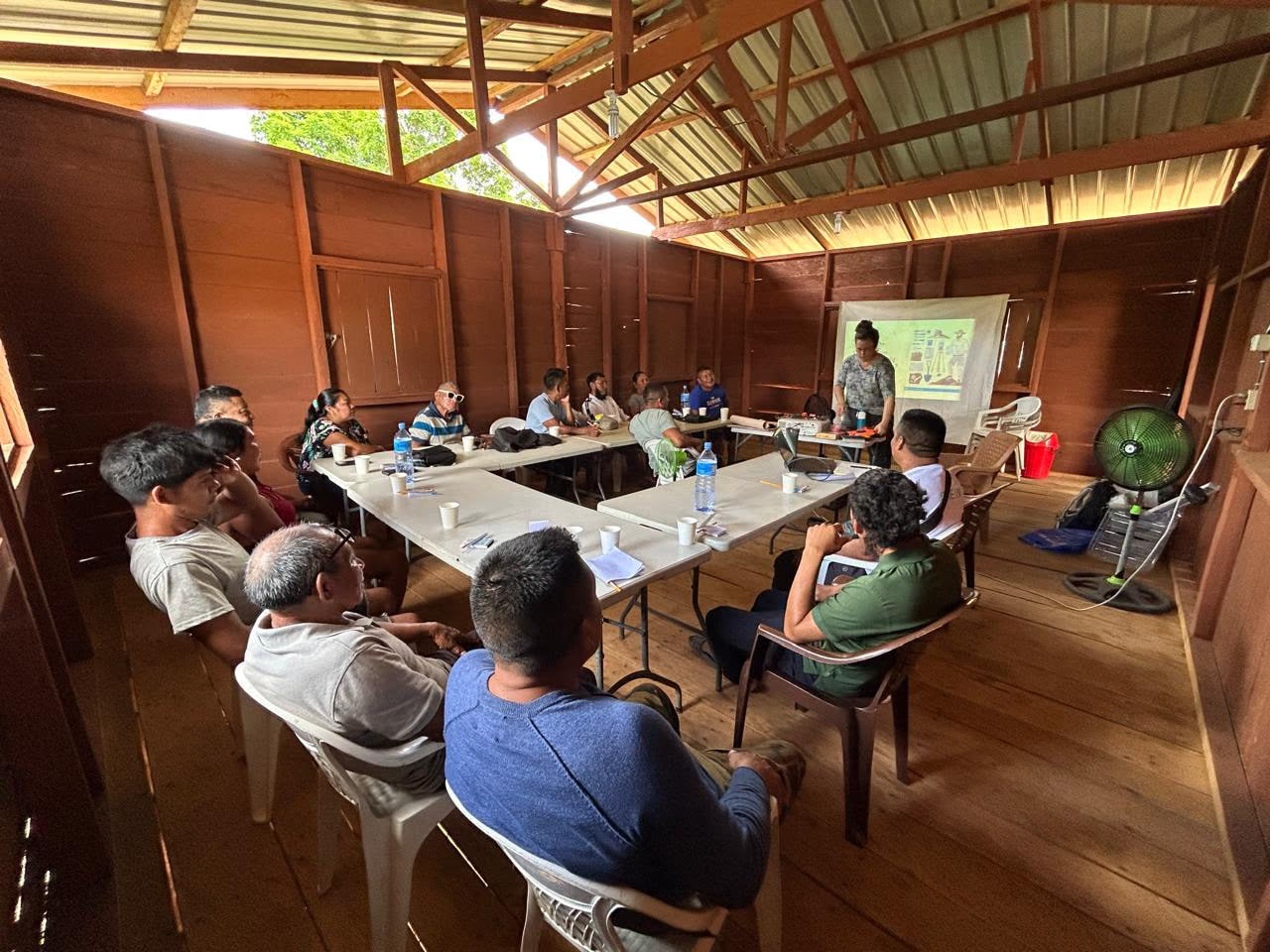
Tarëno Community Archaeology Training Project

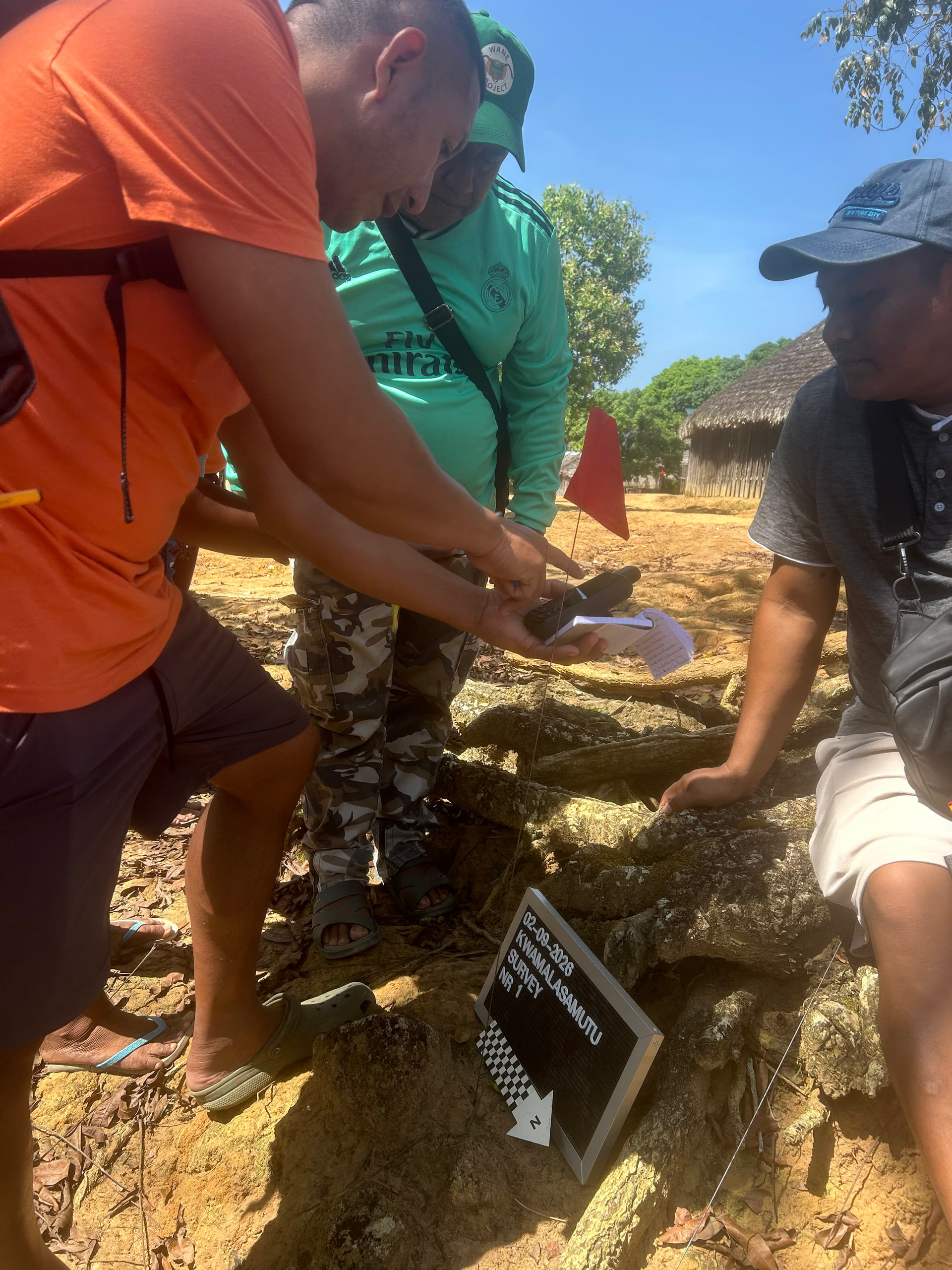
The Tarëno Community Archaeology Training Project is a community-led initiative in south Suriname designed to document, conserve and honour indigenous cultural heritage. Driven by an explicit request from the Tarëno community, this project marks the first phase of a multi-year programme aimed at bridging ancestral wisdom with modern scientific practices.

For: The Global Environment Facility (GEF) Small Grants Programme (SGP), implemented by the United Nations Development Programme (UNDP) Suriname

Read more

While the Archaeological Department holds records of 10 historic finds within the region, these files urgently require updating. This project uses modern technology — including GPS tracking — to validate these existing sites while systematically searching for and documenting new historical assets.

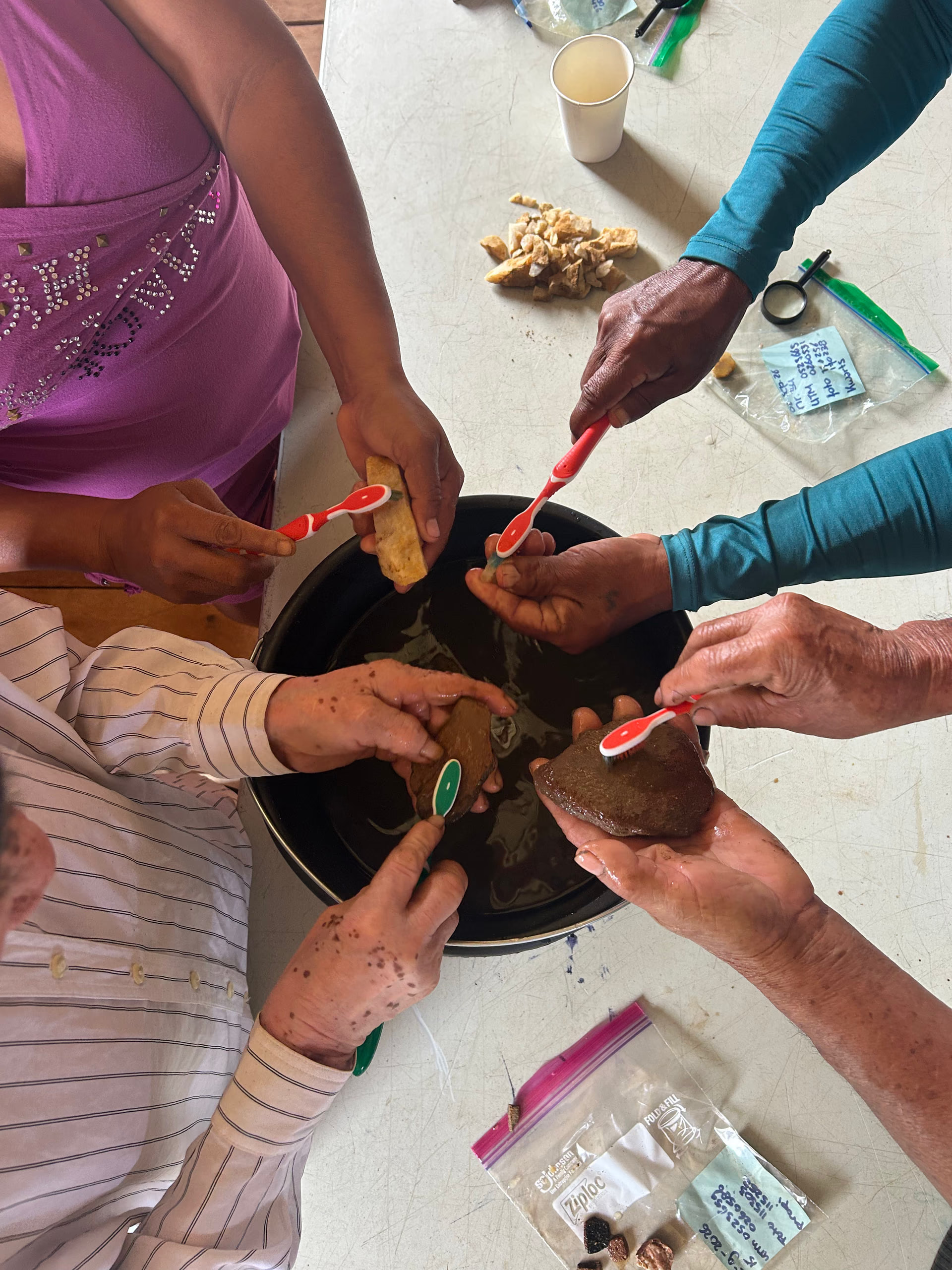
Crucially, the Tarëno community is in the lead. By turning the validation process into a hands-on training ground, community members are learning the fundamentals of community archaeology. This equips them with the skills to independently locate, document and officially register future finds, ensuring long-term stewardship of their own history.

The project brings together institutional expertise and grassroots action through key partnerships: the Ministry of Education, Science and Culture (Archaeological Department), which receives critical, long-overdue updates to national historical records; and Irene Meulenberg, the project’s head archaeologist, who brings deep expertise as both a Forest93 ambassador and an archaeologist employed by the Ministry.

Together, we are investing in indigenous-led conservation that protects both cultural identity and regional history.
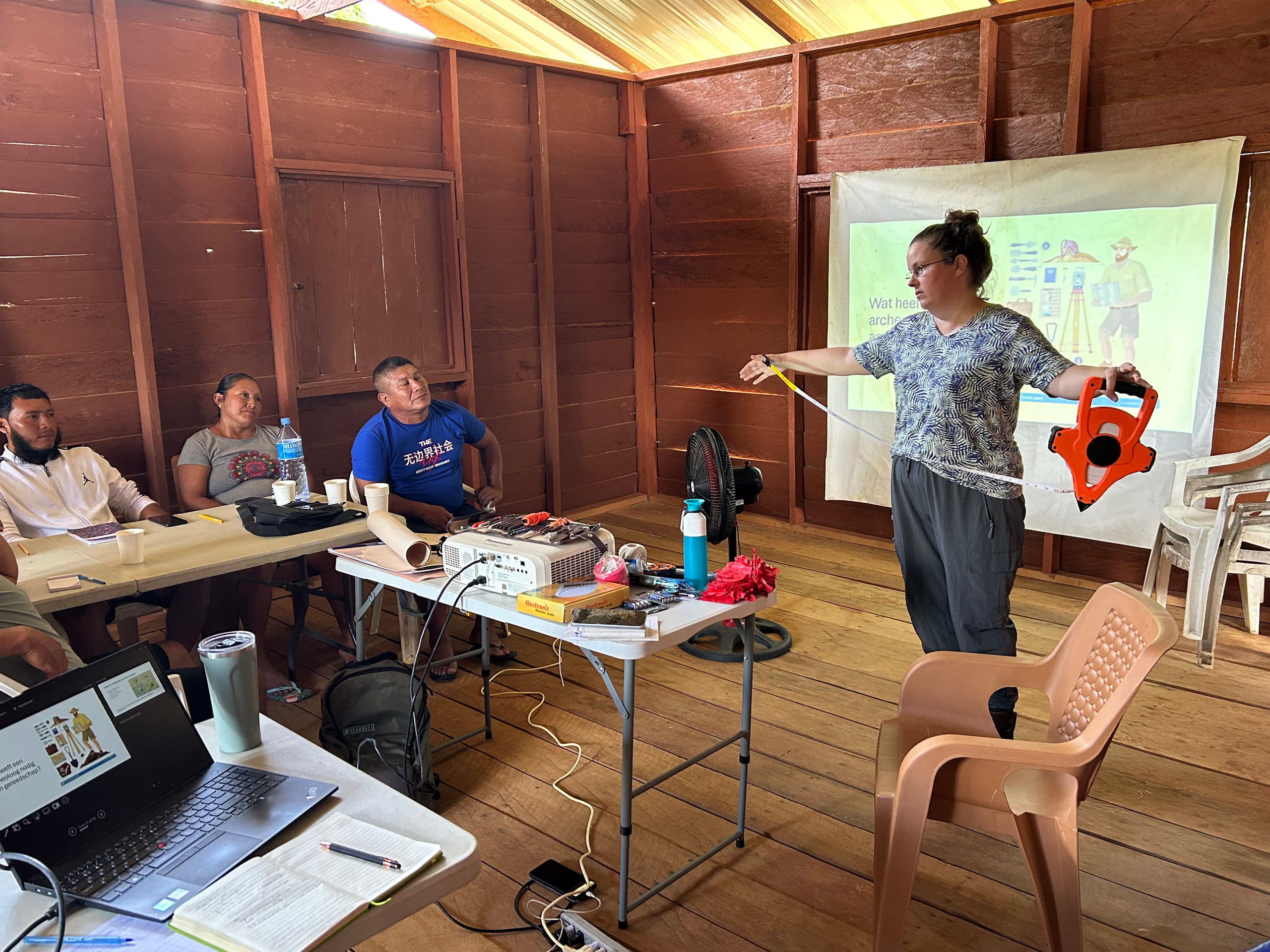
An archaeologist holding a measuring tape explains a slide to community members seated at tables in a wooden building
Community archaeology training.
Consultancy2026 – ongoing

Stakeholder engagement for a bamboo company

Stakeholder engagement for the set-up of a bamboo company in Suriname.

For: Suriname Bamboo Company N.V.

2025

Socio-economic projects2025 – 2026

Public sanitation for the Indigenous community of Kwamalasamutu

Six public bathroom locations delivered or repaired in Kwamalasamutu, together with water and hygiene infrastructure, a maintenance plan and paid work for local building teams.

For: TotalEnergies EP Suriname B.V.

Read more

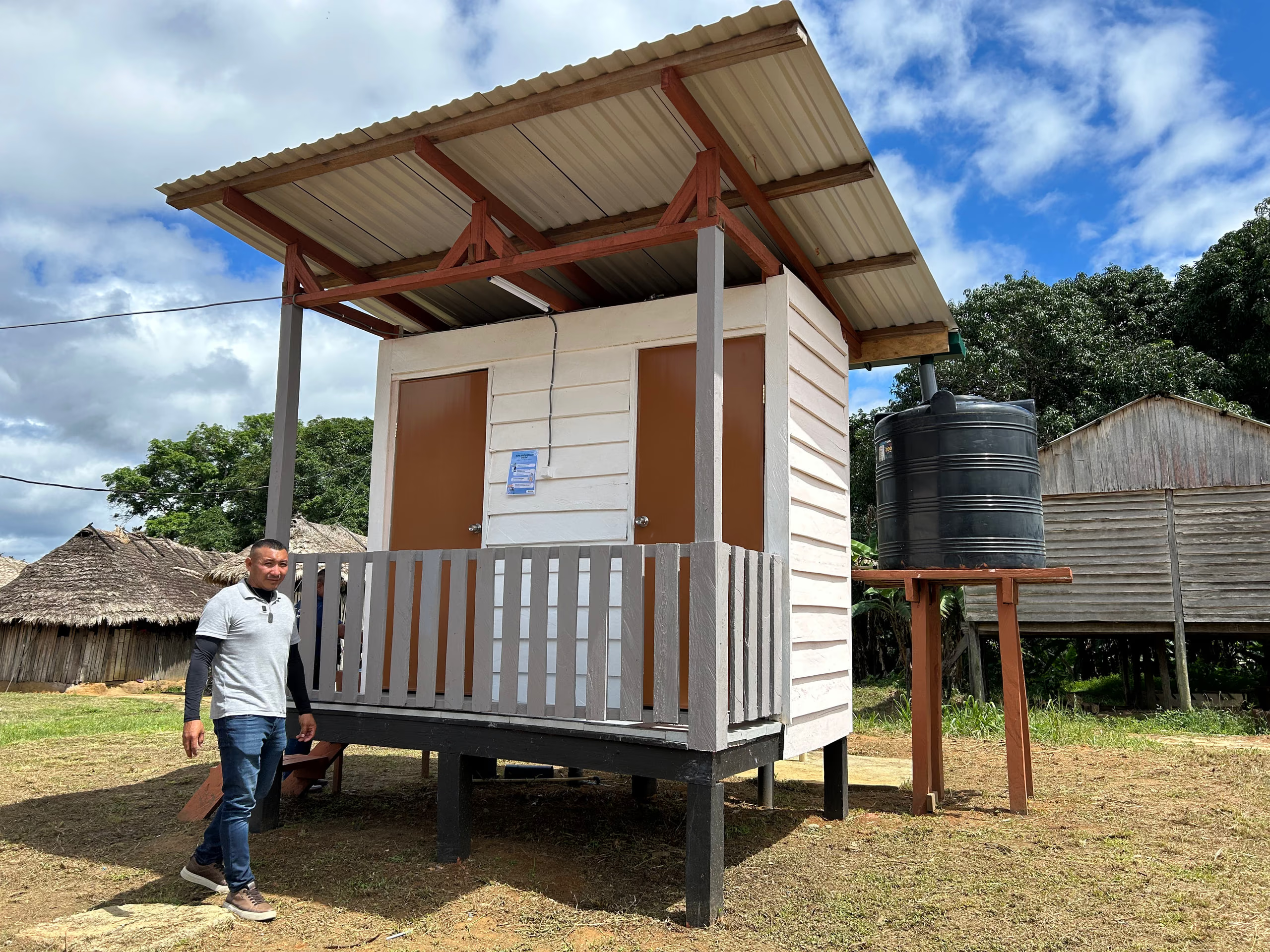
Access to safe, functional sanitation is an essential part of community wellbeing and dignity. In Kwamalasamutu, this project supported the Indigenous community by improving public sanitation facilities at key locations throughout the village.

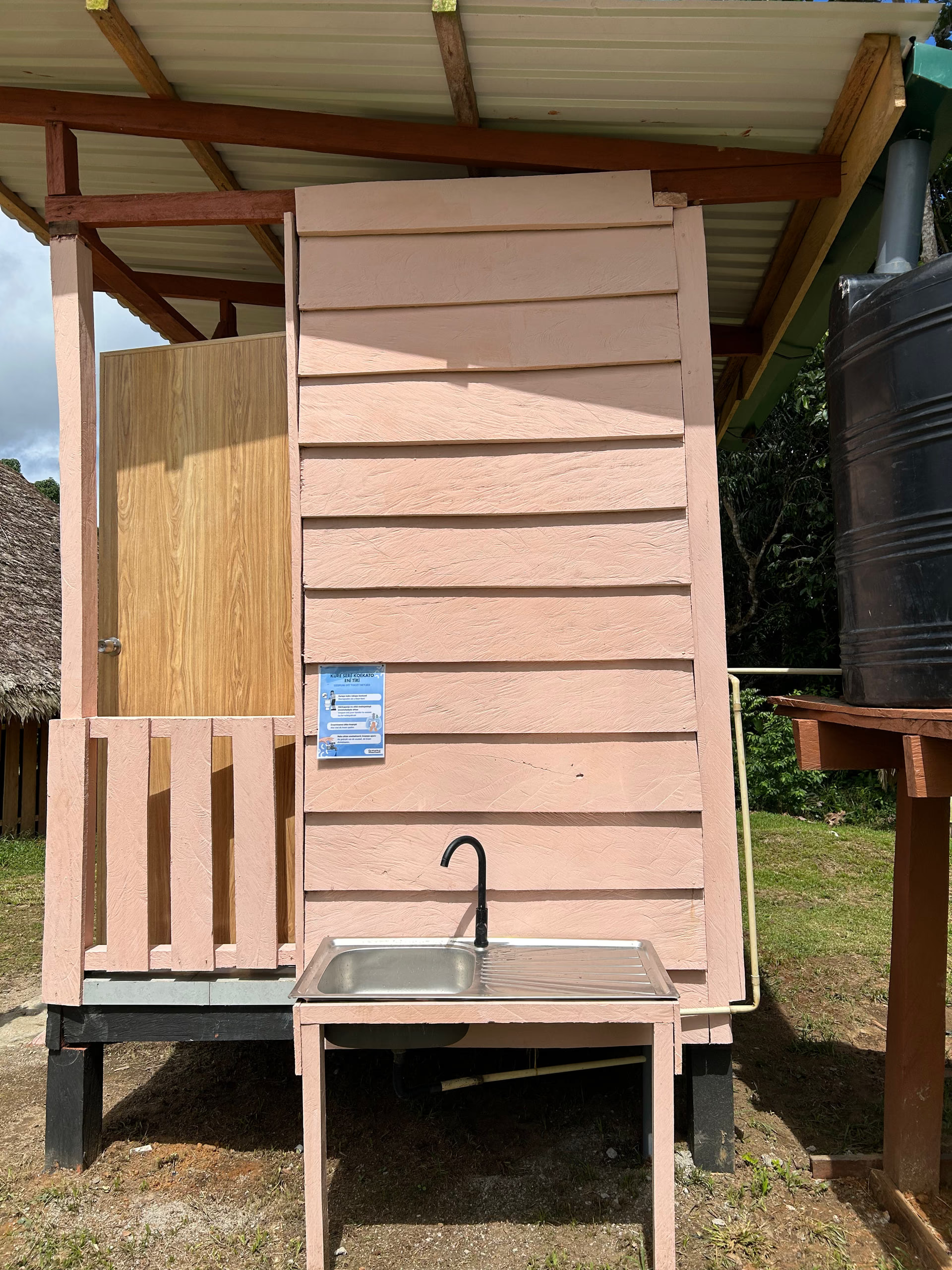
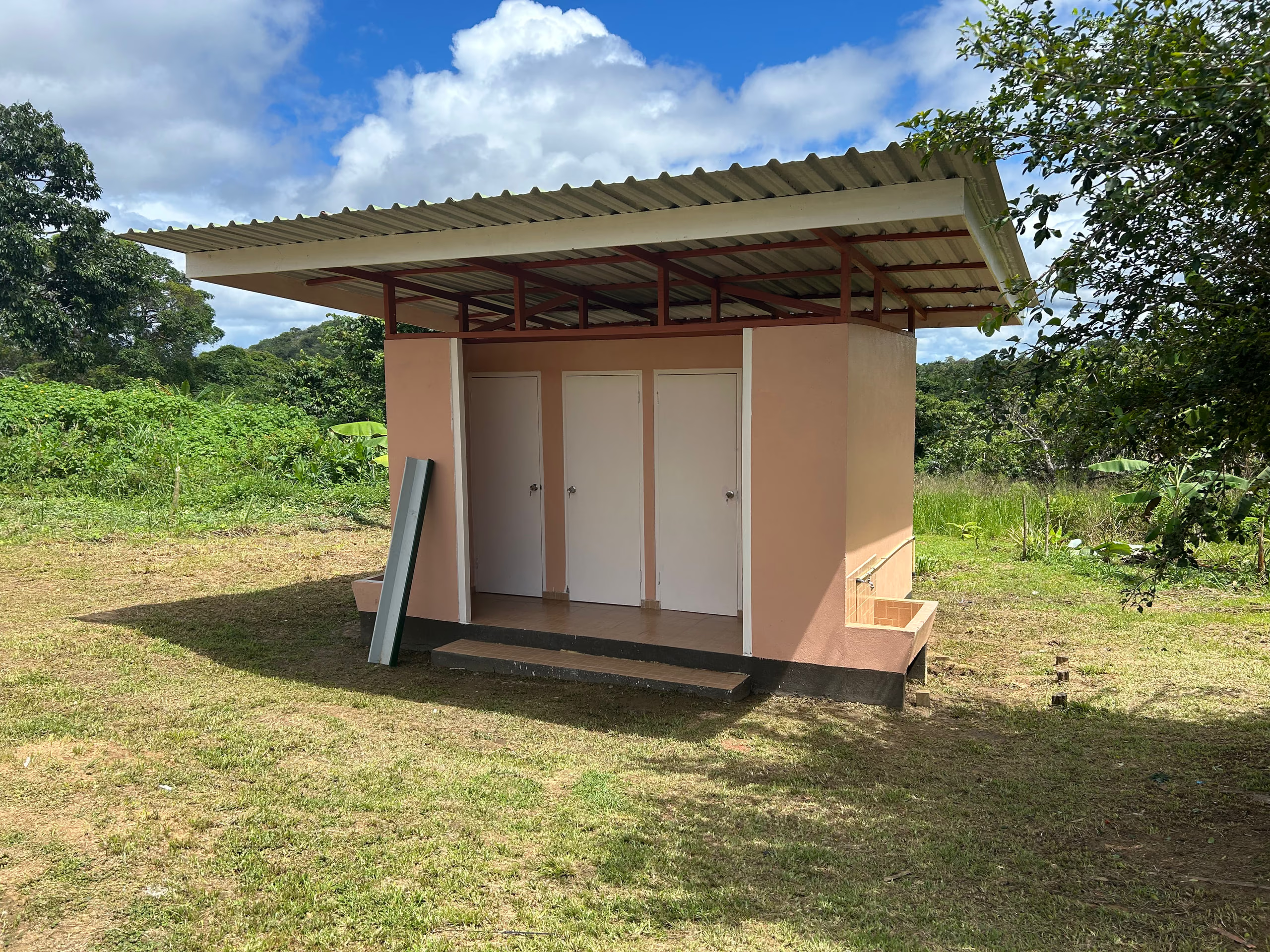
Over the course of the project, six public bathroom locations were delivered or upgraded, including new bathroom stalls and repairs to existing facilities at the old school, near the church.

The project went beyond construction. Hygiene and water-saving information was placed in the public bathrooms in Tarëno and Dutch, cleaning supplies were provided, and a maintenance plan was developed together with Stichting Tewe. Local work teams carried out the construction, planning and design, and worked with local materials. Their work hours were fully compensated, supporting local participation and ownership.

The project reflects a practical approach to community wellbeing: improving essential infrastructure while working with local authorities and community organisations to make sure the facilities can be maintained and used sustainably.

The finished bathroom block near the church in Kwamalasamutu: three doors under a corrugated roof, on a grassy field
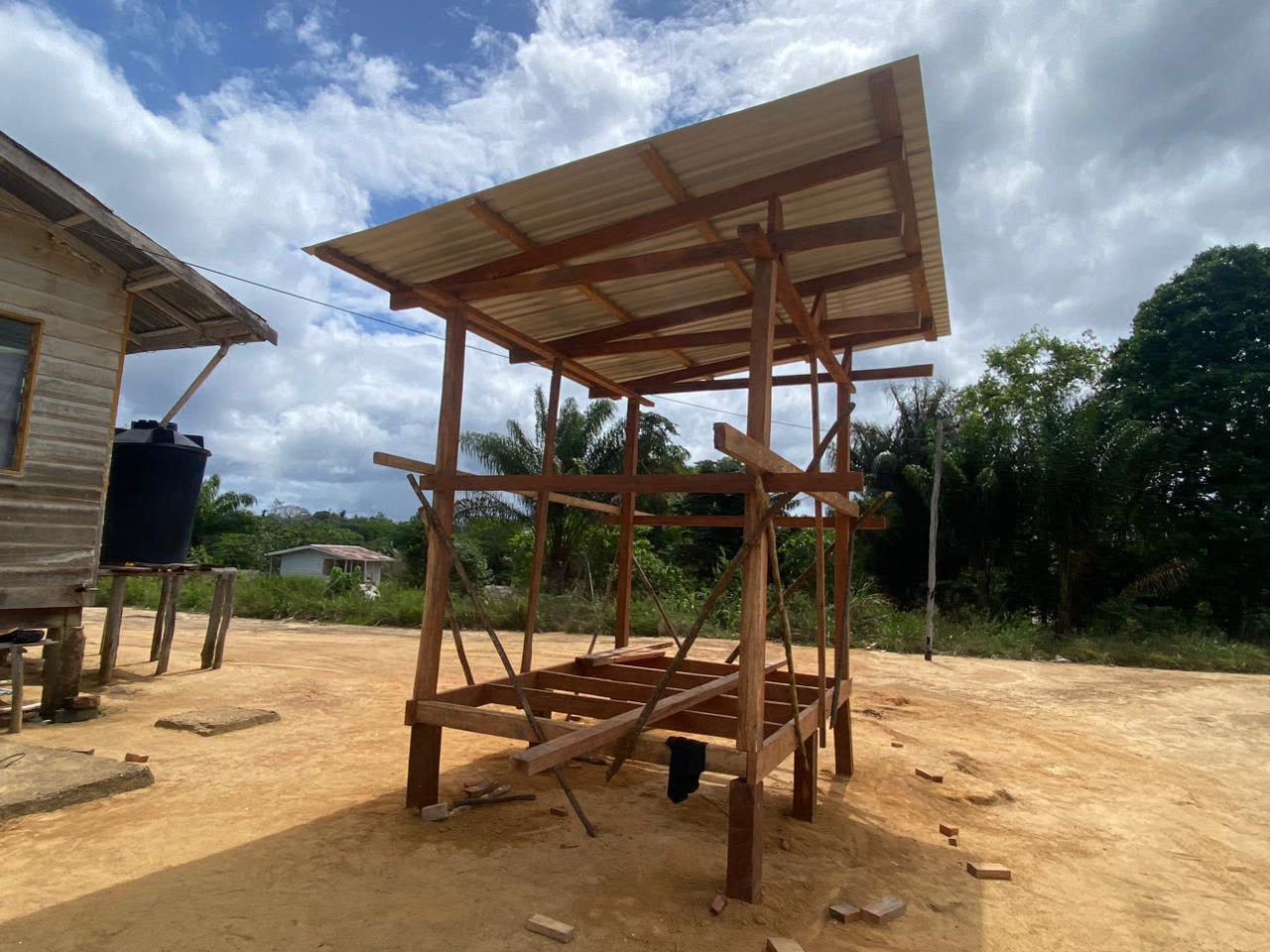
The process of building and renovation, through to the handover of the bathrooms in Kwamalasamutu.

Capacity building2025

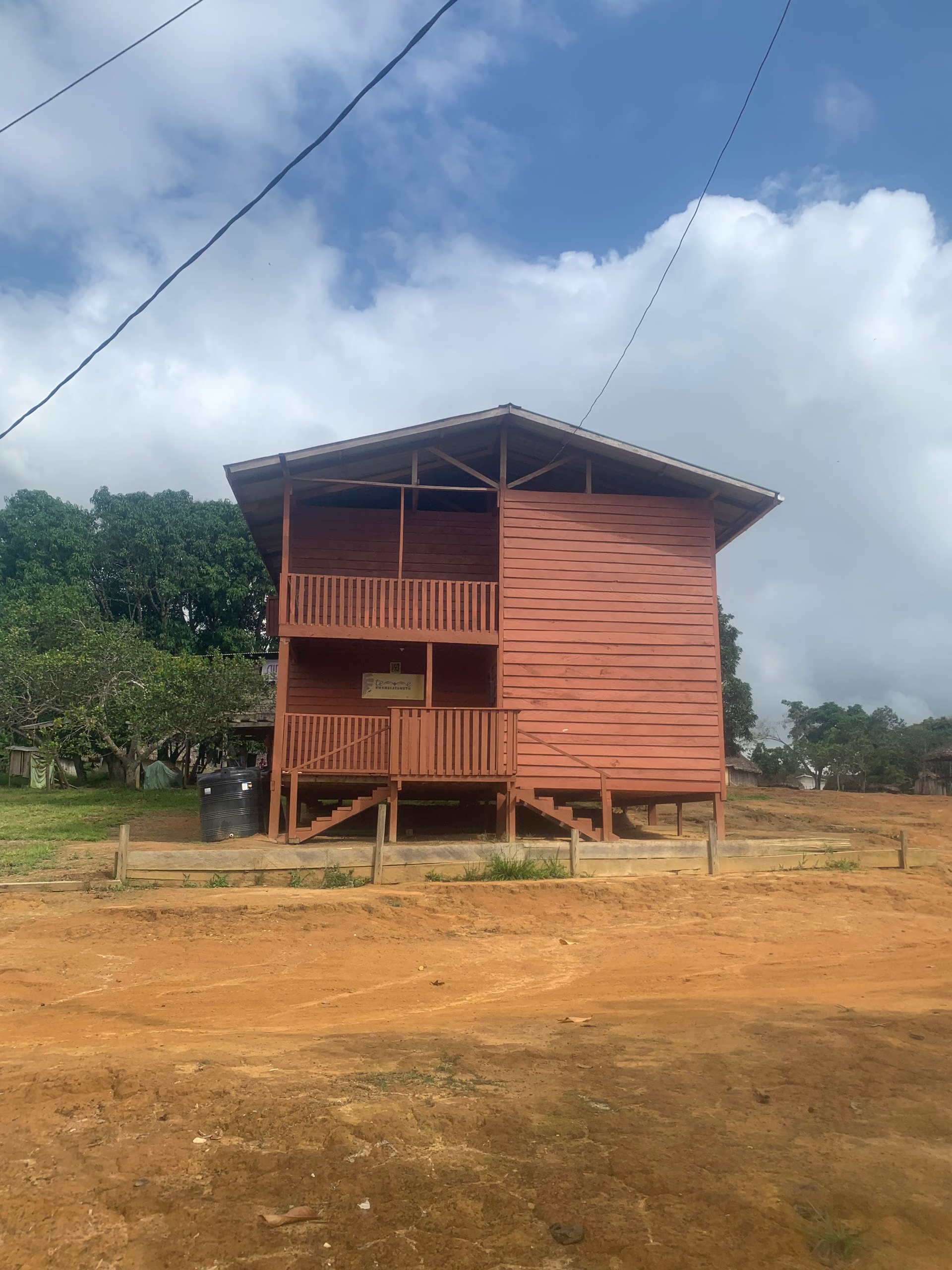
Tewe Foundation office, Kwamalasamutu

A permanent office for the Tewe Foundation in Kwamalasamutu, giving the Tarëno leadership somewhere to run its own projects from.

Read more

Granman Jimmy Toeroemang founded the Tewe Foundation in 2022 to coordinate projects in the south of Suriname for the wellbeing of his peoples. The office opened in April 2025.

It is now in regular use for meetings and training sessions — the kind of everyday institutional capacity that is hard to fund and harder to do without.

A training session under way inside the Tewe Foundation office, participants seated around tables
The Tewe training room in use.

2024

Consultancy2024 – 2025

Stakeholder engagement for the Spaces programme

Technical stakeholder engagement for the Spaces programme in Suriname.

For: Systemiq Ltd., with the Ministry of Environment and Spatial Planning (ROM) and the Ministry of Agriculture, Animal Husbandry and Fisheries (LVV)

Consultancy2024 – 2025

A strategy to prevent homelessness in Paramaribo

Development of a mid- and long-term strategy for the prevention of homelessness and the social inclusion of homeless people in Paramaribo, the design of a pilot intervention, and a practical handbook.

For: Inter-American Development Bank and the Ministry of Education, Science and Culture (the PURP programme)

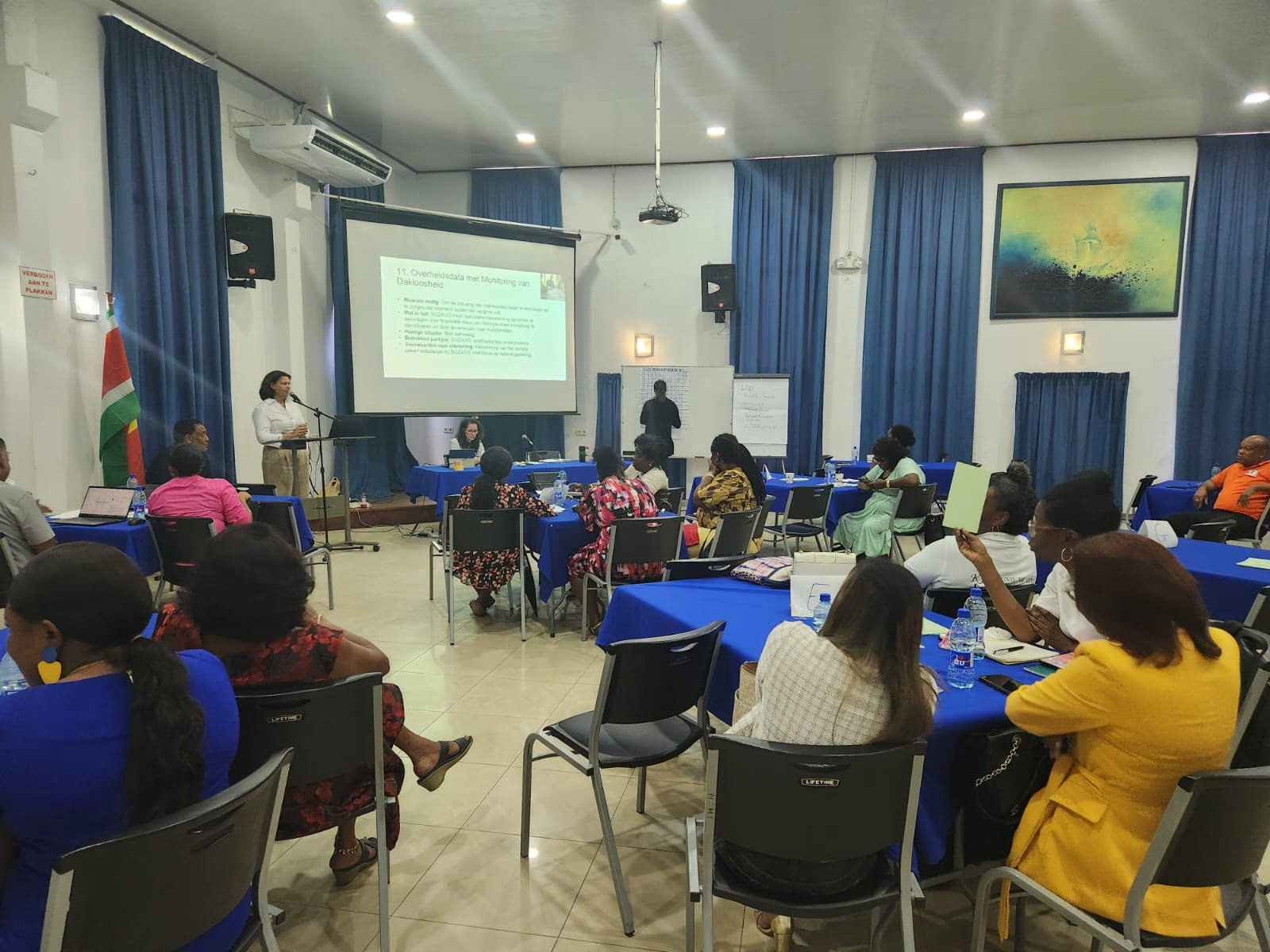
Stakeholders seated at round tables score the proposed programmes during a workshop, June 2025
Stakeholder workshops in Paramaribo.

2022

Consultancy2022 – 2023

KAP survey in Nickerie and Coronie/Saramacca

Conducting a Knowledge, Attitudes and Practices (KAP) study in two regions of Suriname: Nickerie and Coronie/Saramacca. The research focused on assessing the impacts of climate change on the agricultural sector and the sector’s level of preparedness to address these challenges.

For: Food and Agriculture Organization of the United Nations (FAO)

Read more

The findings were used to inform the preparation of a funding proposal to the Green Climate Fund (GCF), aimed at strengthening and enhancing the climate resilience of the agricultural sector in both regions.

Consultancy2022

A shared vision for the Spatial Planning Act

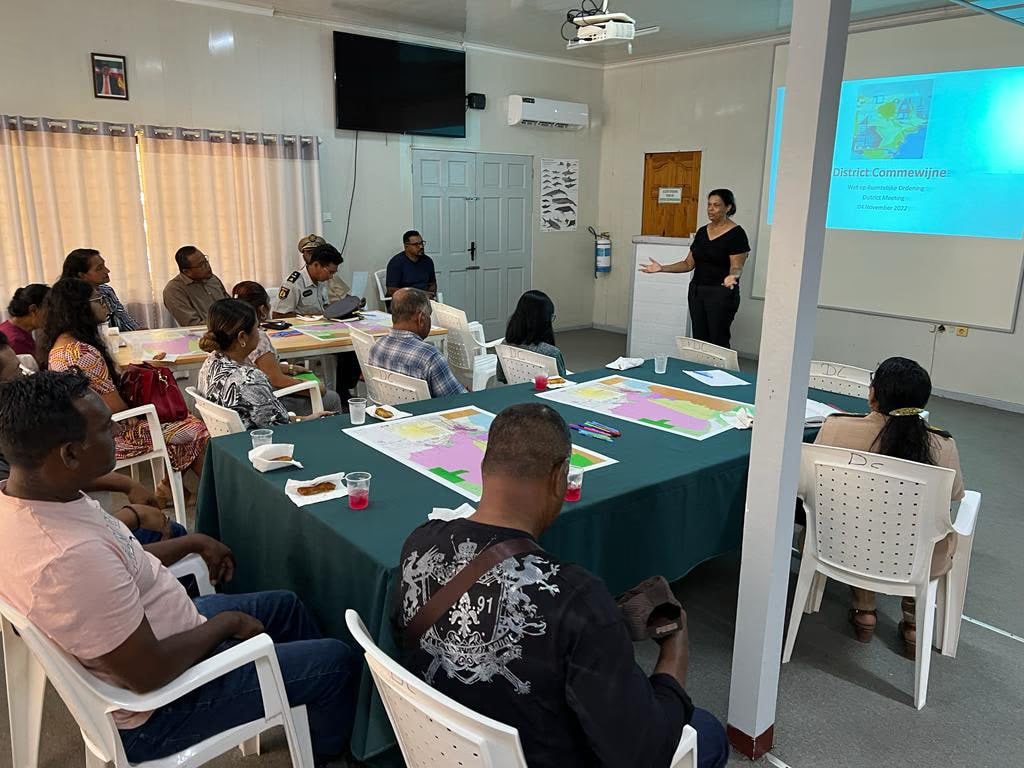
Leading and facilitating a participatory process to develop a shared vision for Suriname’s Spatial Planning Act, reflecting the perspectives and aspirations of citizens across all districts of Suriname. The research findings were used to inform the drafting of the proposed Spatial Planning Act and Suriname’s National Spatial Vision.

For: Inter-American Development Bank and the Ministry of Environment and Spatial Planning (ROM)

Residents around tables with district maps during a participation session in Commewijne
Stakeholder session in Commewijne.

New models2022 – 2023

Organising environmental enforcement

An advisory report on the organisation of environmental enforcement under the Environmental Framework Law (2020), including an Environmental Corps Charter for the environmental enforcement corps under the NMA.

For: National Environmental Authority (NMA)

2021

Capacity building2021 – 2023

Suriname’s compliance with Multilateral Environmental Agreements

A study of Suriname’s compliance with Multilateral Environmental Agreements (MEAs), resulting in a framework of the MEAs signed by Suriname and an advisory memo.

For: National Environmental Authority (NMA)

New models2021 – 2024

Public land and Paramaribo’s green areas

Identification of public land in all districts for the cadastre (MI-GLIS), with the Ministry of Environment and Spatial Planning.

For: Ministry of Environment and Spatial Planning, and the Swedish Postcode Foundation

Read more

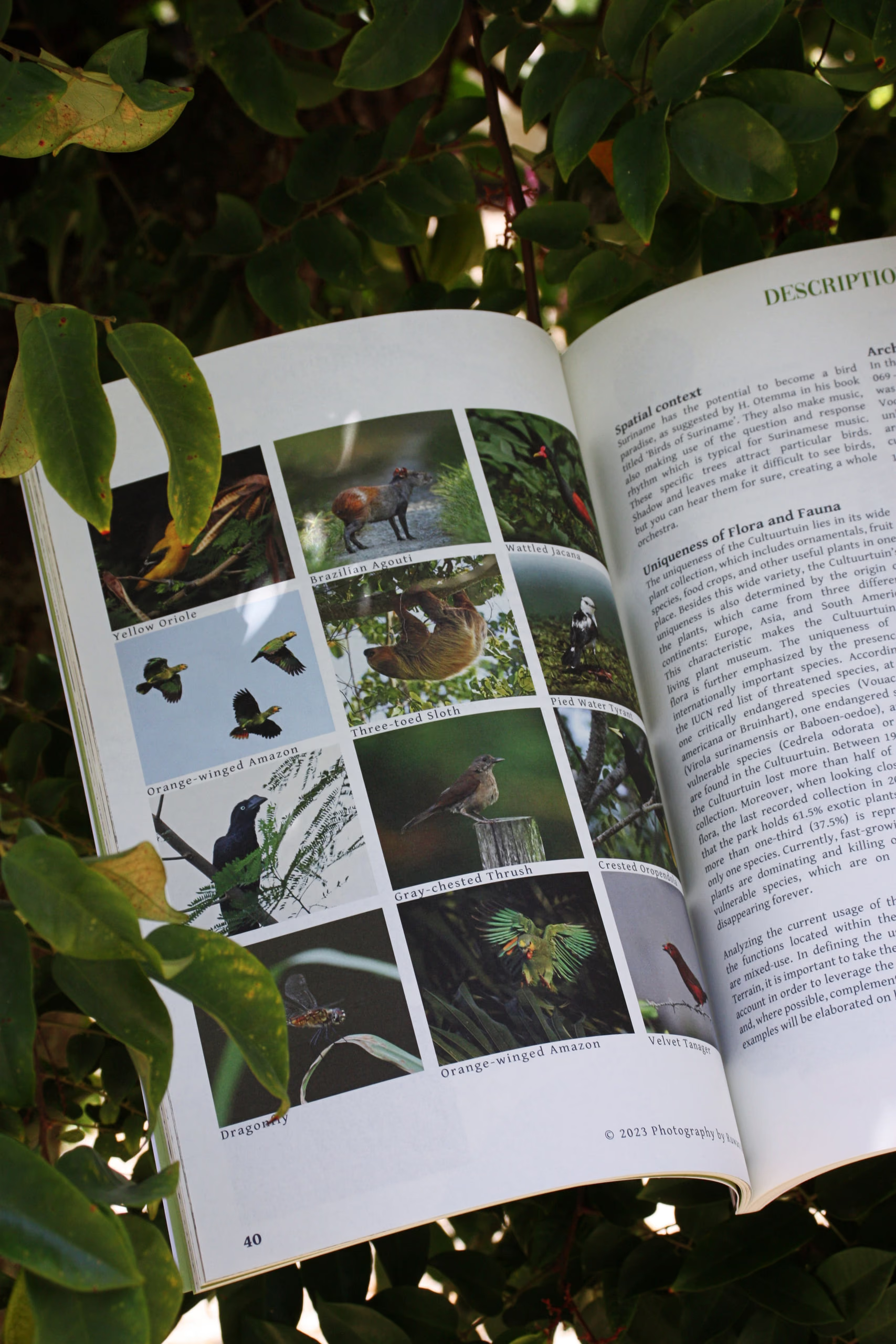
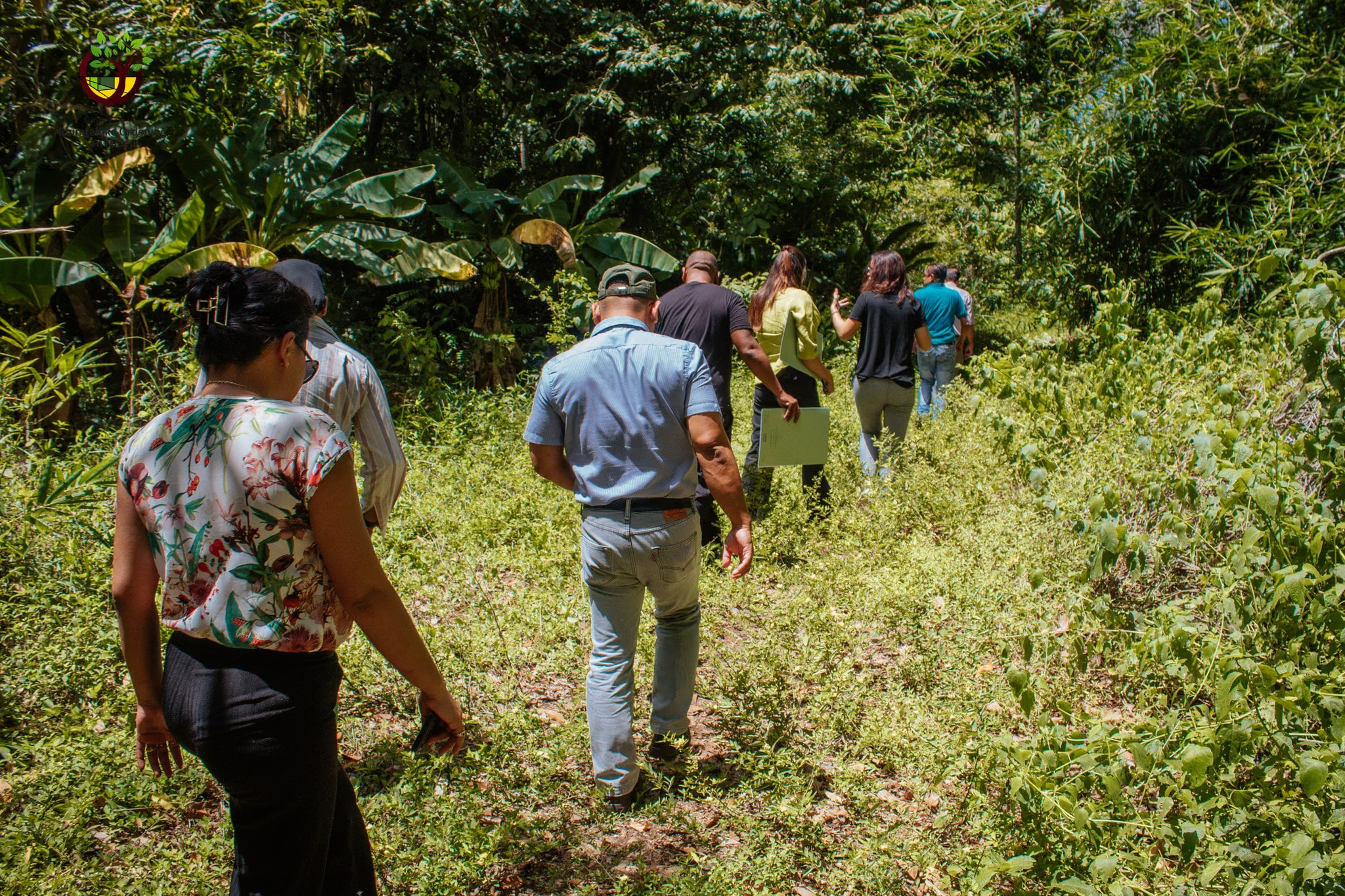
For two green areas in Paramaribo, the Cultuurtuin and the Oranjetuin, a baseline description was developed.

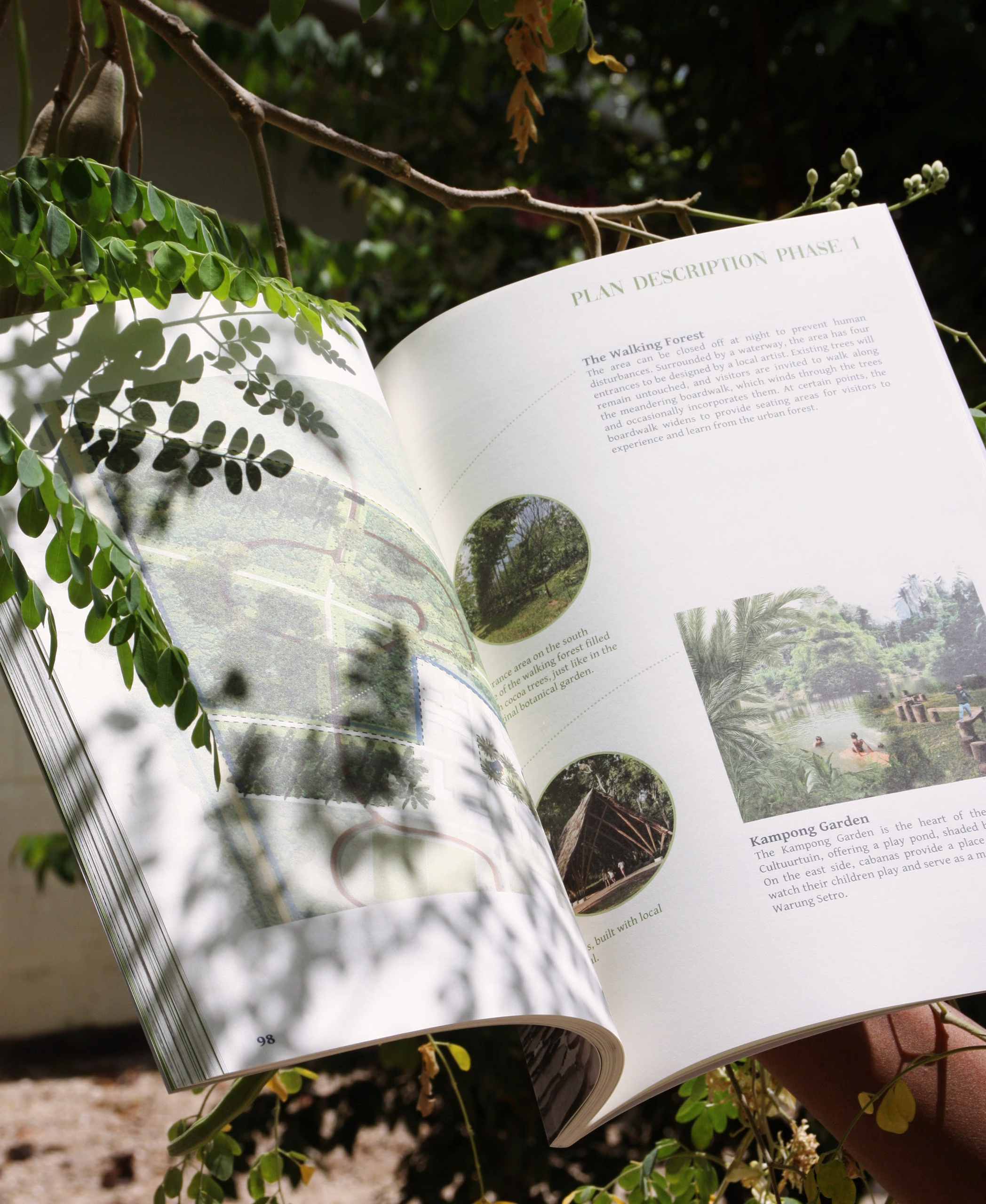
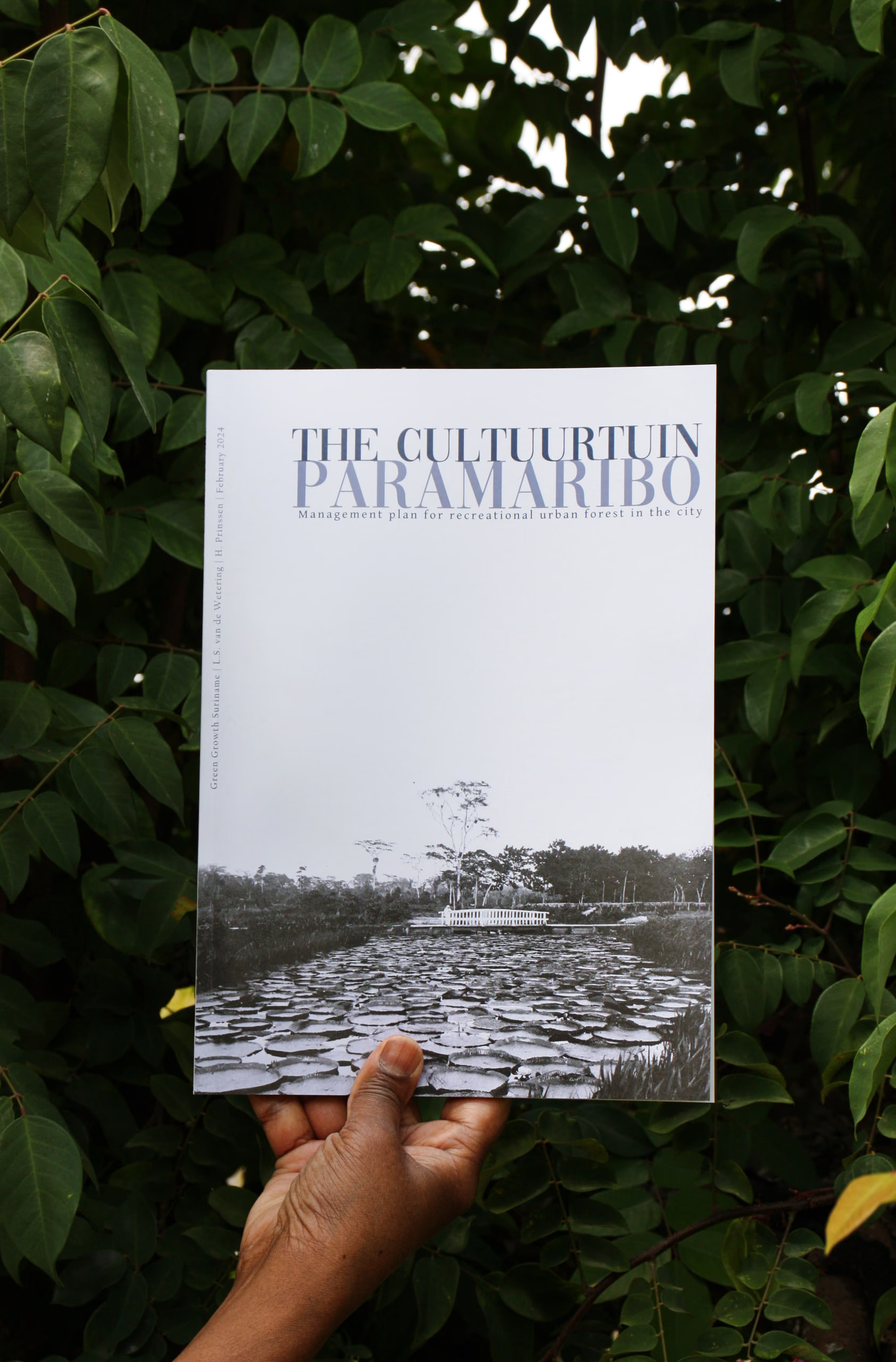
For the Cultuurtuin, a management plan was designed by architect Lindsey van de Wetering, incorporating input from the public and from the land surveyor. The plan follows a Private-Public Partnership model and an area concept that opens the Cultuurtuin urban forest to the public.

A hand holds up the printed management plan “The Cultuurtuin Paramaribo” against green foliage
The management plan for the Cultuurtuin.

Socio-economic projects2021

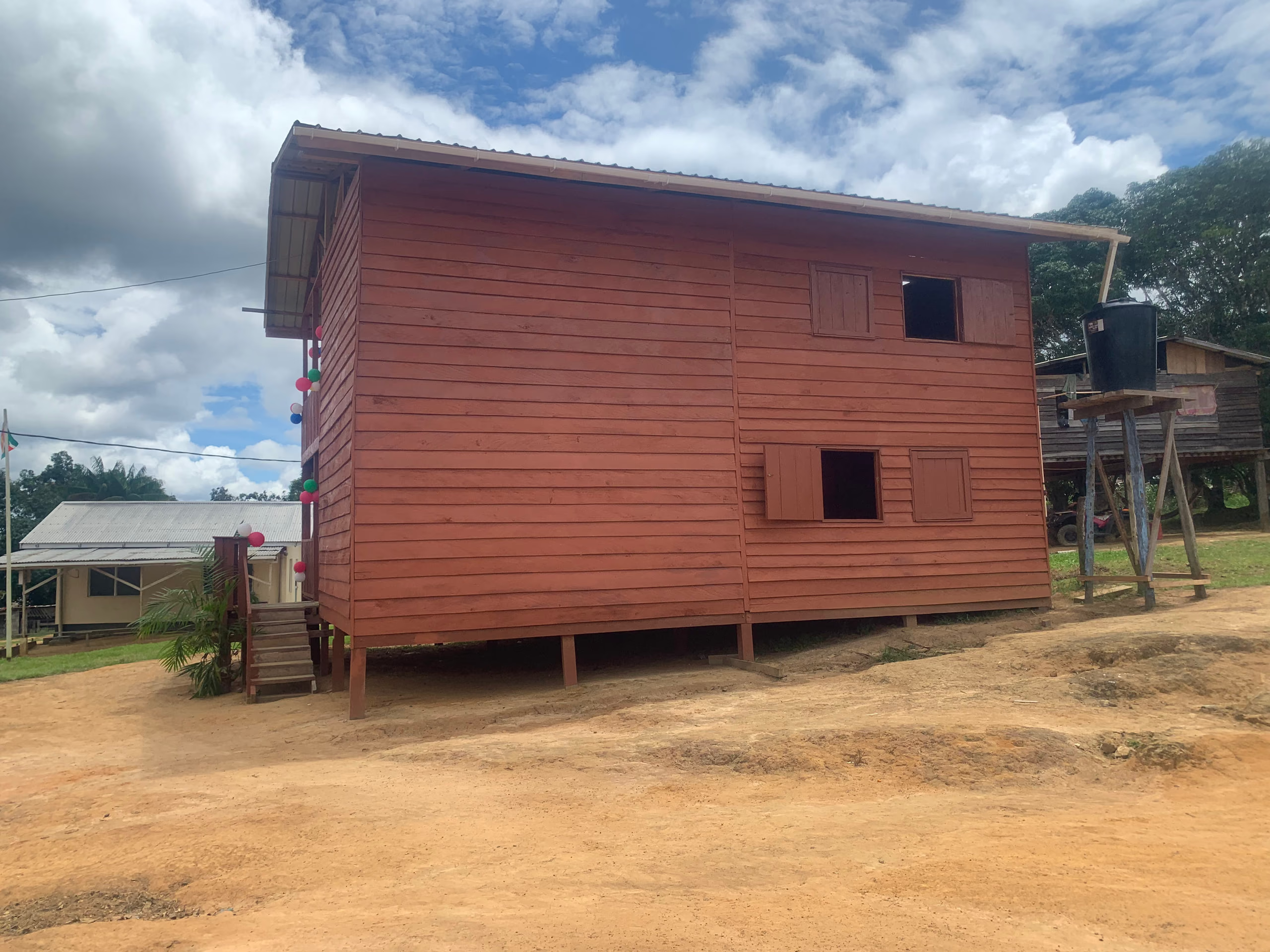
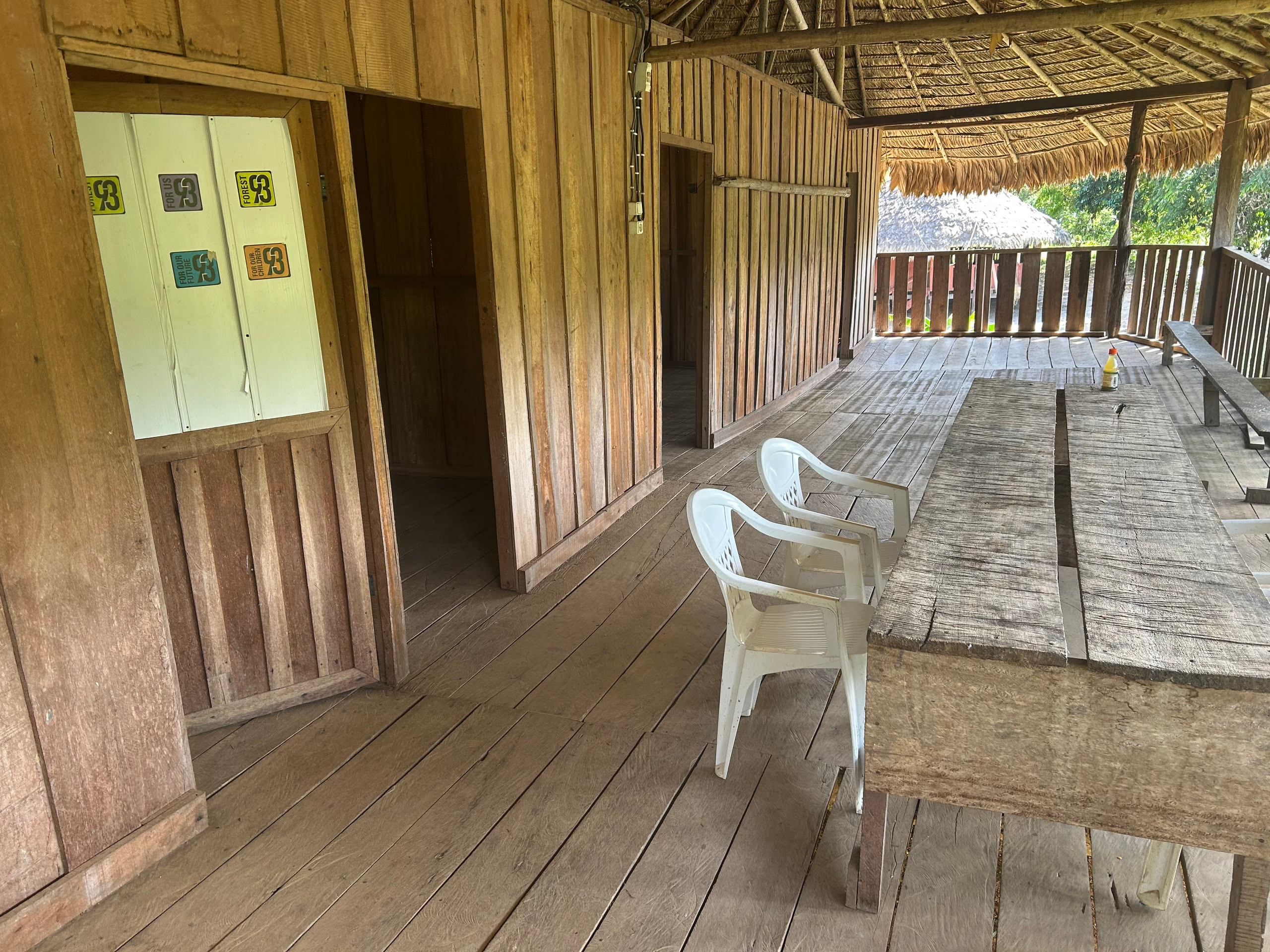
Guesthouse in Kwamalasamutu

A community-owned guesthouse, funded by the Tarëno tribe from its own self-governance funds.

Read more

The Tarëno tribe decided to put forward part of the funds available to them, under the programme for enhancing self-governance of the Tarëno tribe, to a socio-economic project in the village of Kwamalasamutu. They built a community-owned guesthouse to accommodate paying guests to the village.

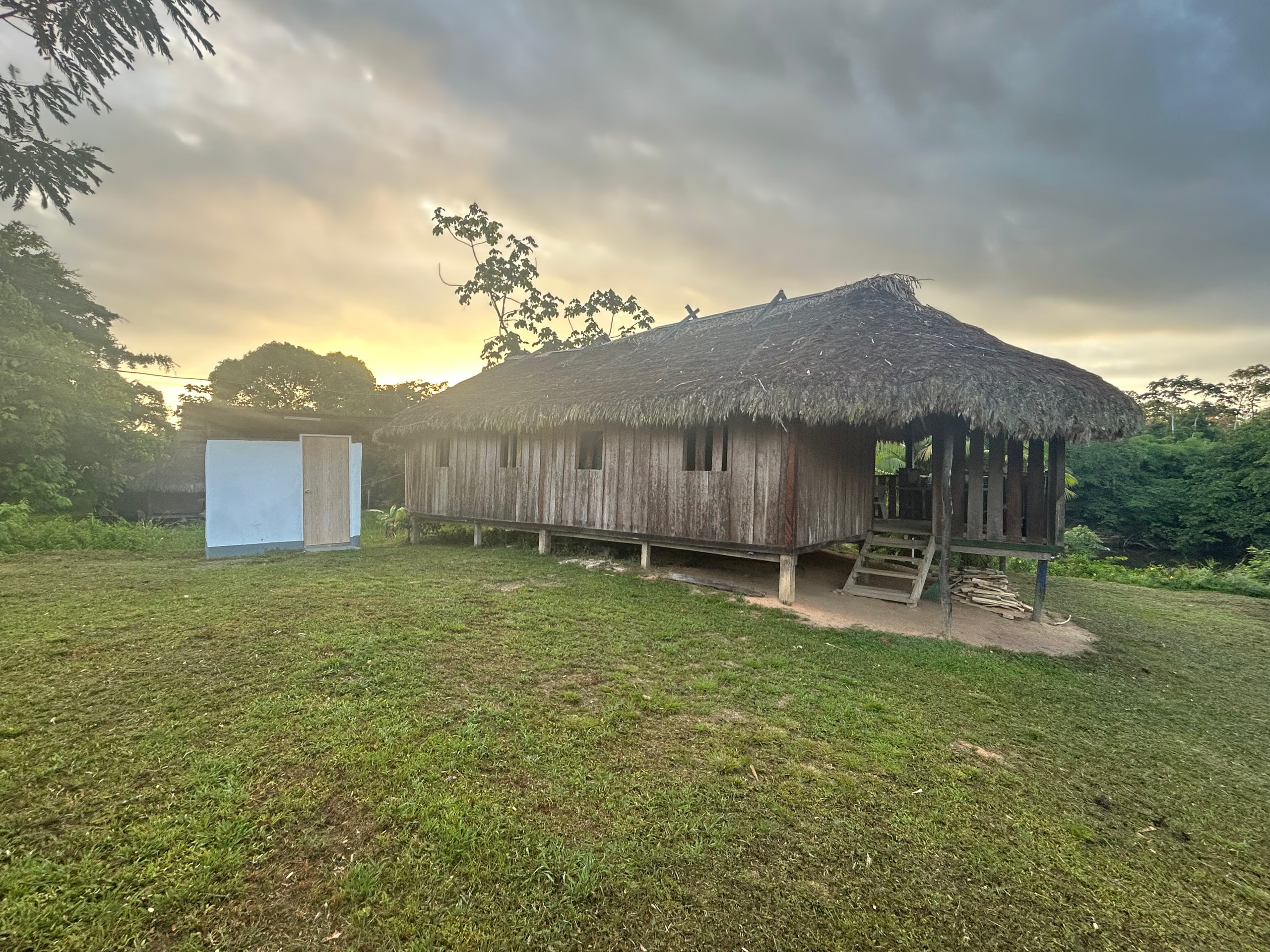
The community-owned guesthouse at Kwamalasamutu at dusk
The guesthouse in Kwamalasamutu, with bathroom and toilet.

Capacity building2021 – 2022

Environmental financing training

A capacity building programme for more than 40 policymakers on modern environmental financing, delivered online during COVID-19.

Read more

The Environmental Framework Law (2020) opened up new opportunities to attract and manage environmental financing. Together with the Ministry of Spatial Planning & Environment and the National Institute for Environment and Development (NIMOS), Green Growth Suriname assessed the country’s current environmental finance experience and its untapped opportunities.

The programme introduced more than 40 selected policymakers to modern environmental financing concepts and trends. Sessions ran online because of COVID-19; the recordings are the only record of them. The assessments and training fed into a roadmap for environmental financing that government can use in designing its climate financing strategy.

2020

Capacity building2020 – ongoing

FOREST93 campaign

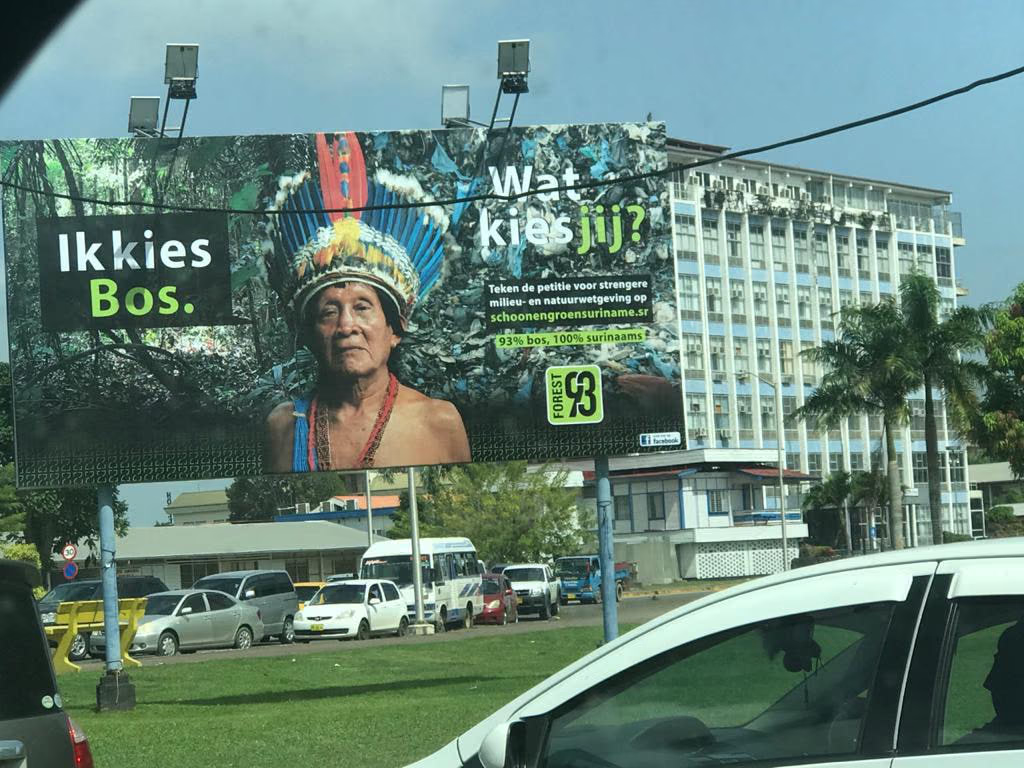
A national campaign for the importance of nature and its protection, under the line “93% forest. 100% Surinamese.”

Read more

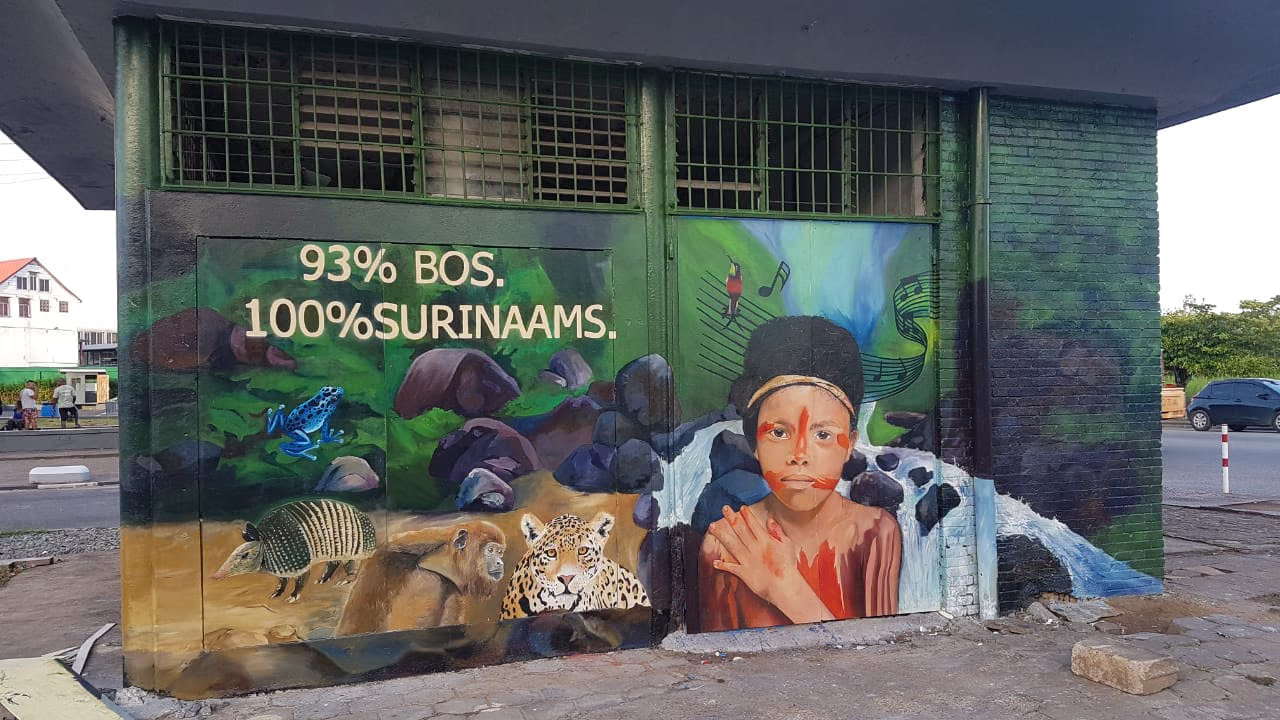
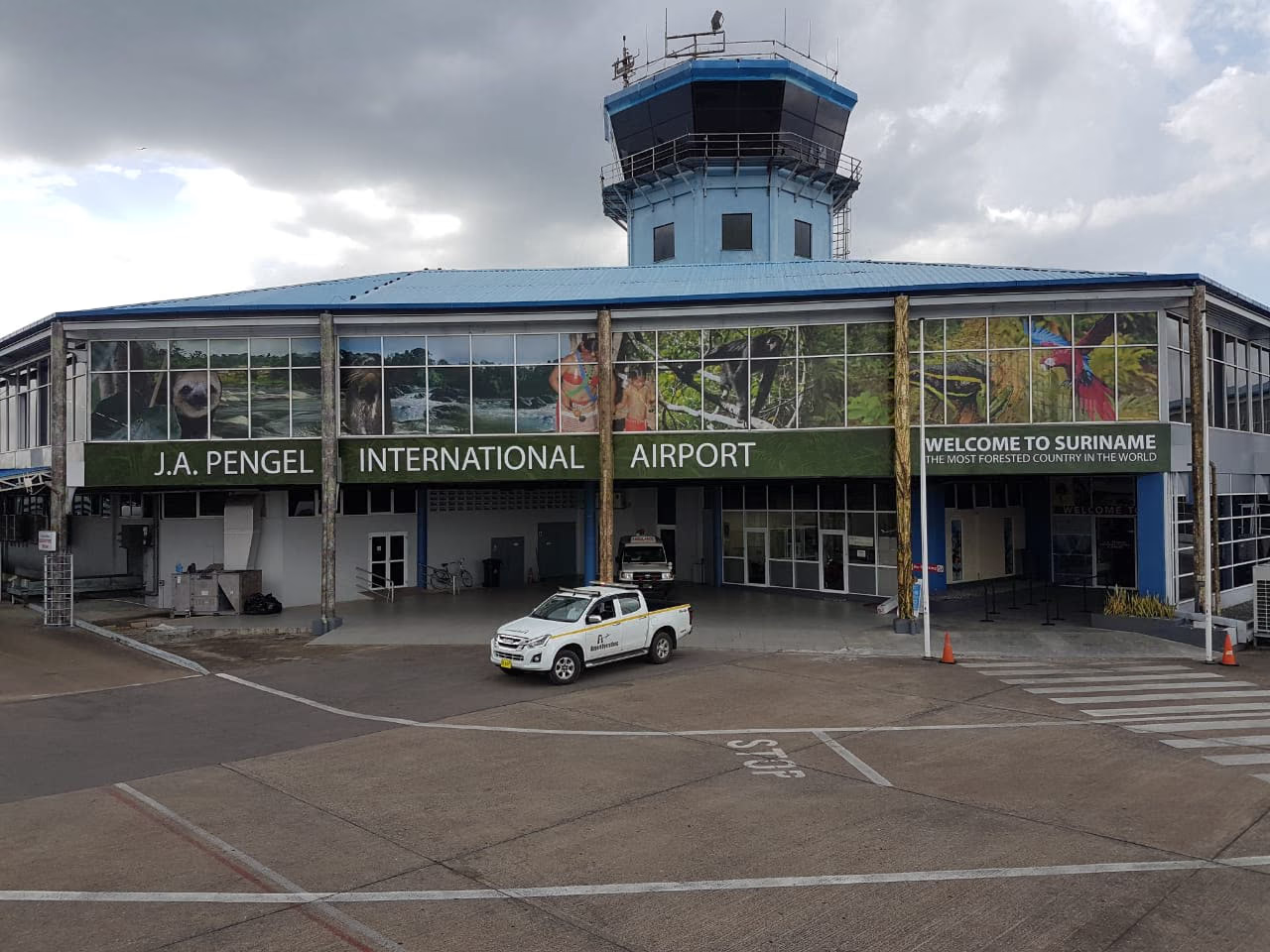
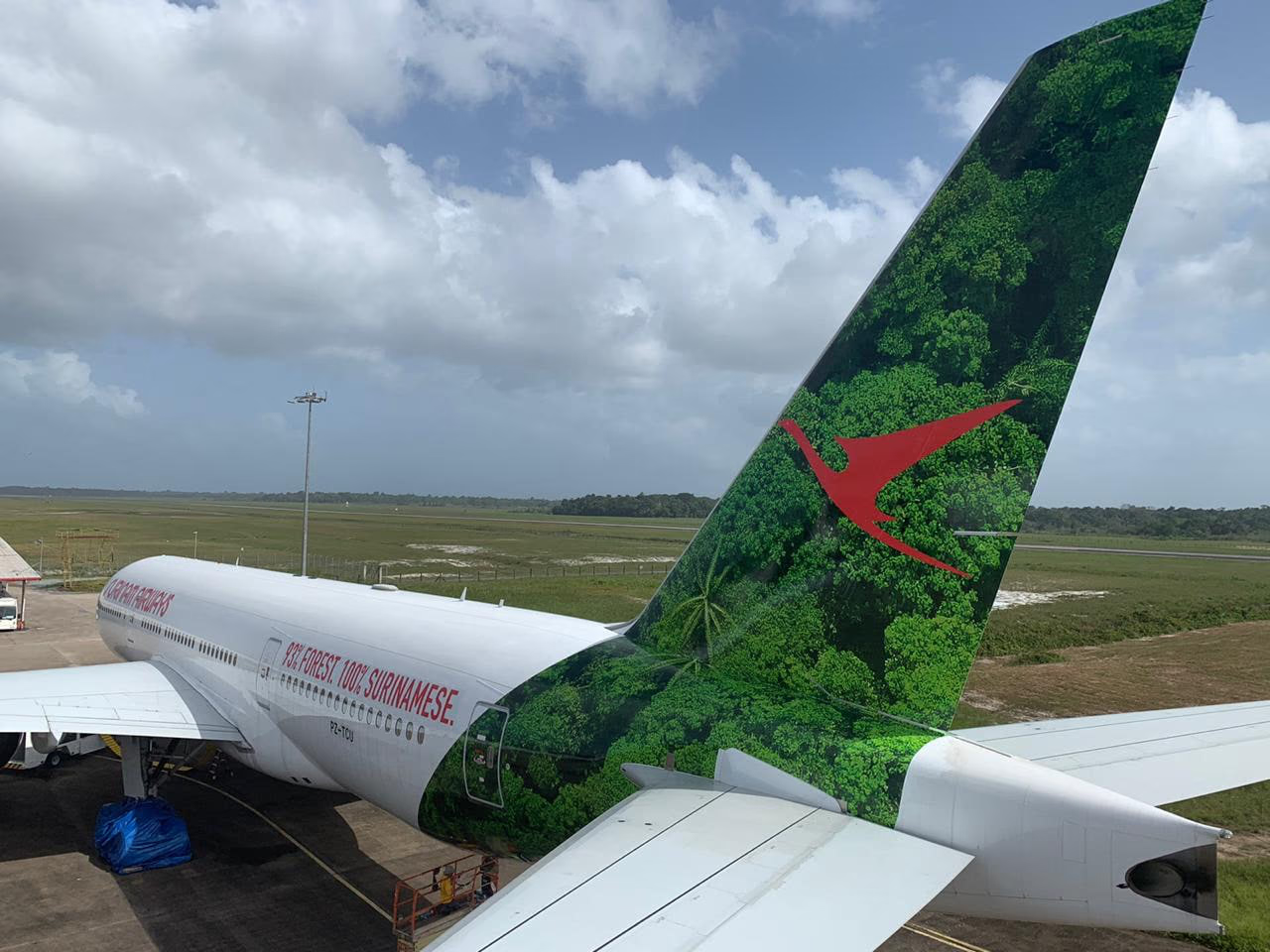
The campaign runs on billboards and posters around Paramaribo, in video and radio commercials, across social media, and through highly visible branding partnerships — including the tail livery of Surinam Airways aircraft, branding at J.A. Pengel International Airport, the Sabiso TV quiz show, and a mural with the Paramaribo Live Museum.

A Surinam Airways aircraft tail painted with the FOREST93 rainforest livery
The tail of the SLM aircraft in FOREST93 branding.

Socio-economic projects2020 – ongoing

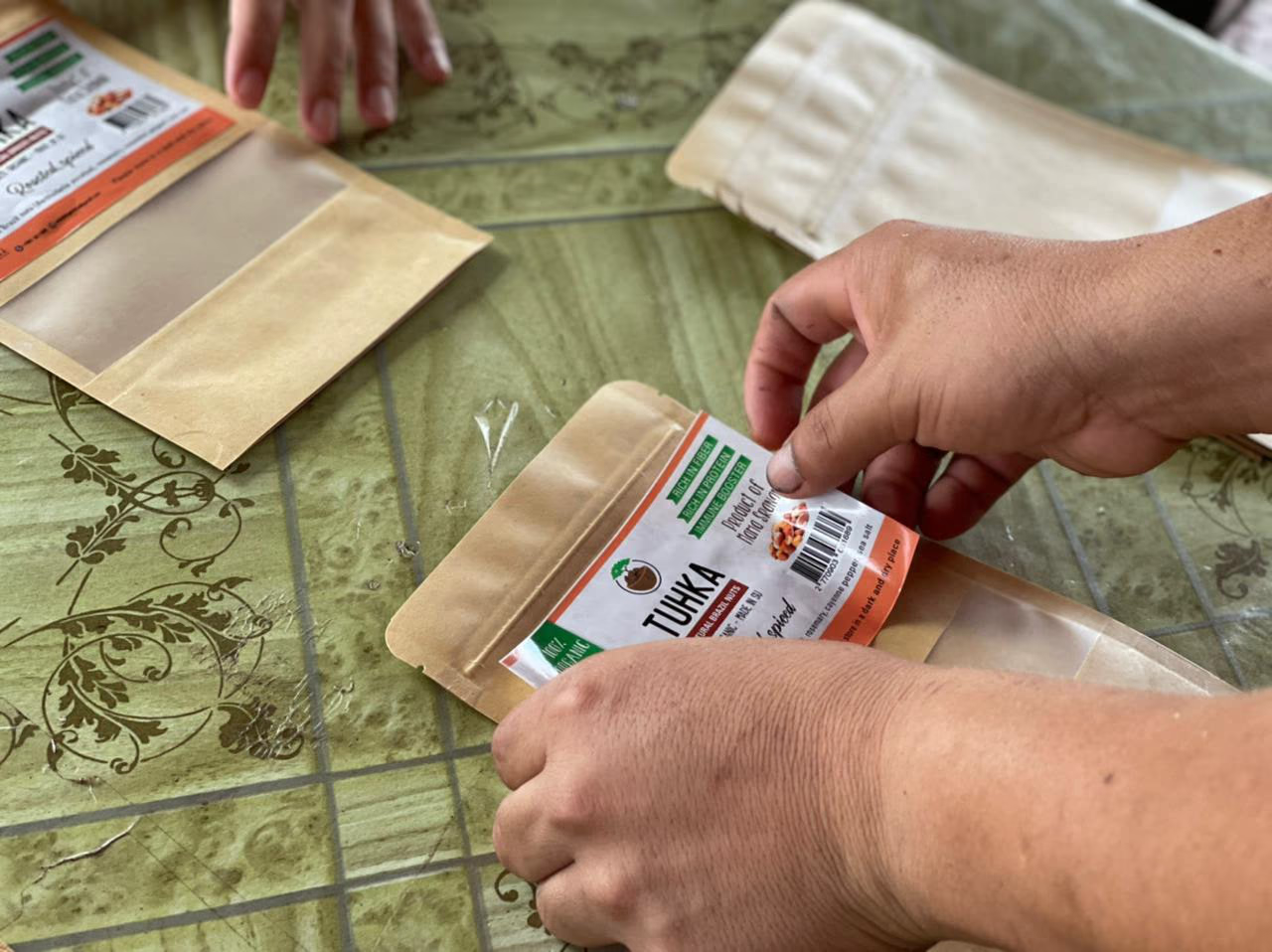
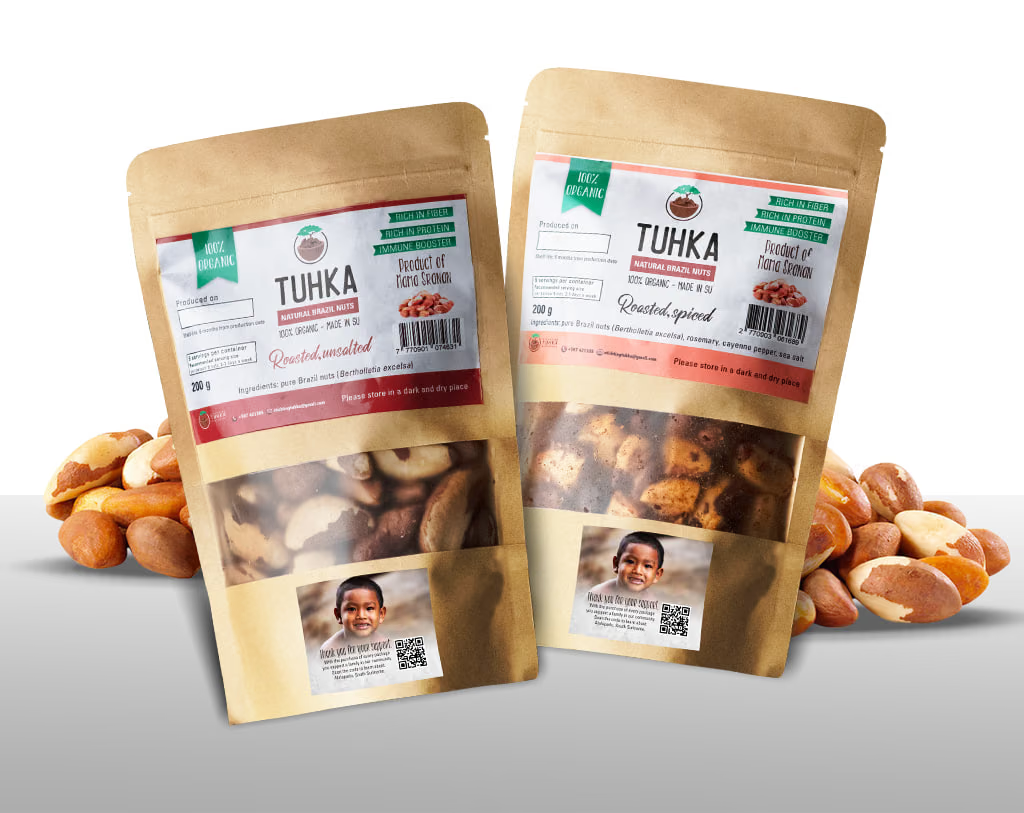
Tuhka roasted Brazil nuts, Alalapadu

A community-owned Brazil nut enterprise that makes forest conservation pay for the village that does it.

Read more

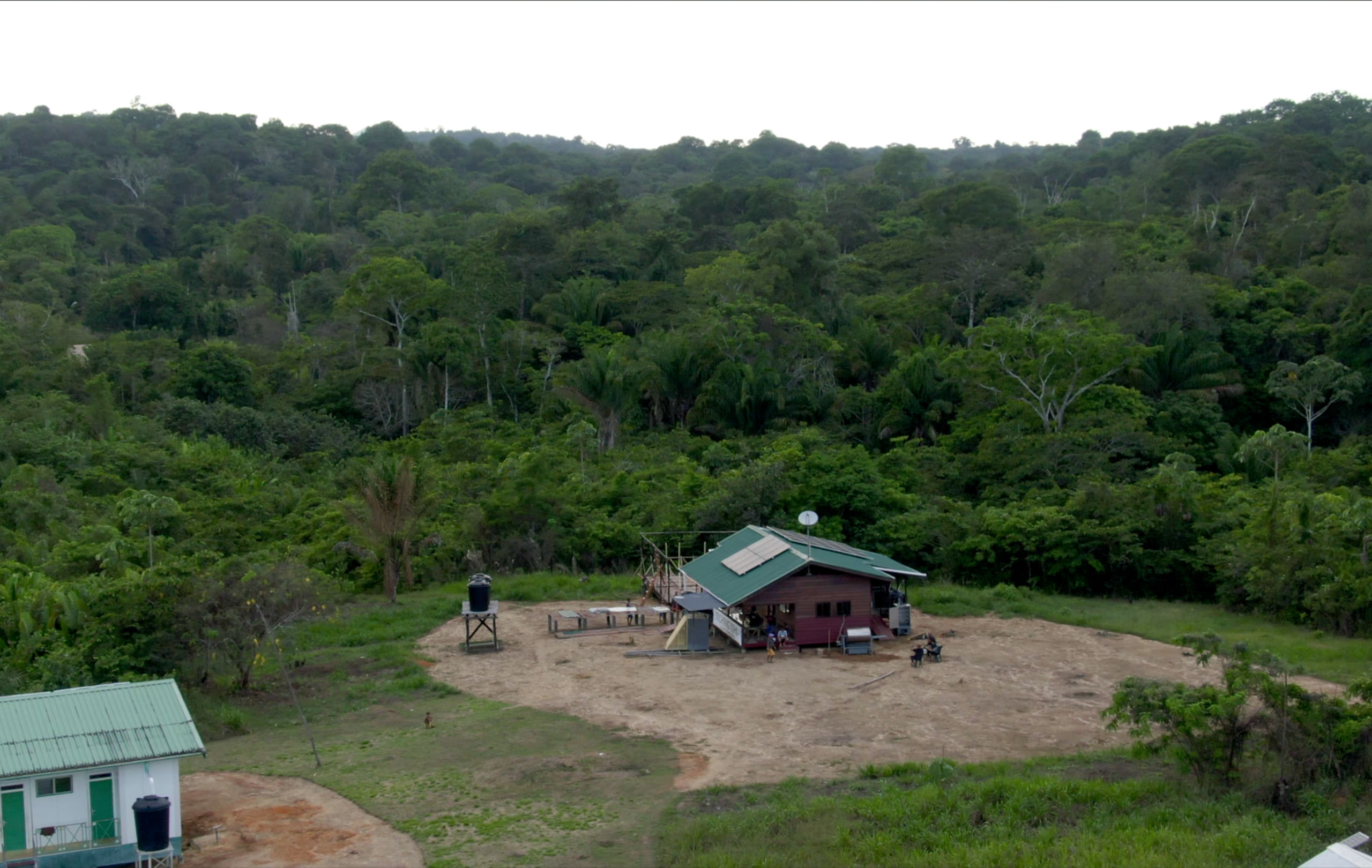
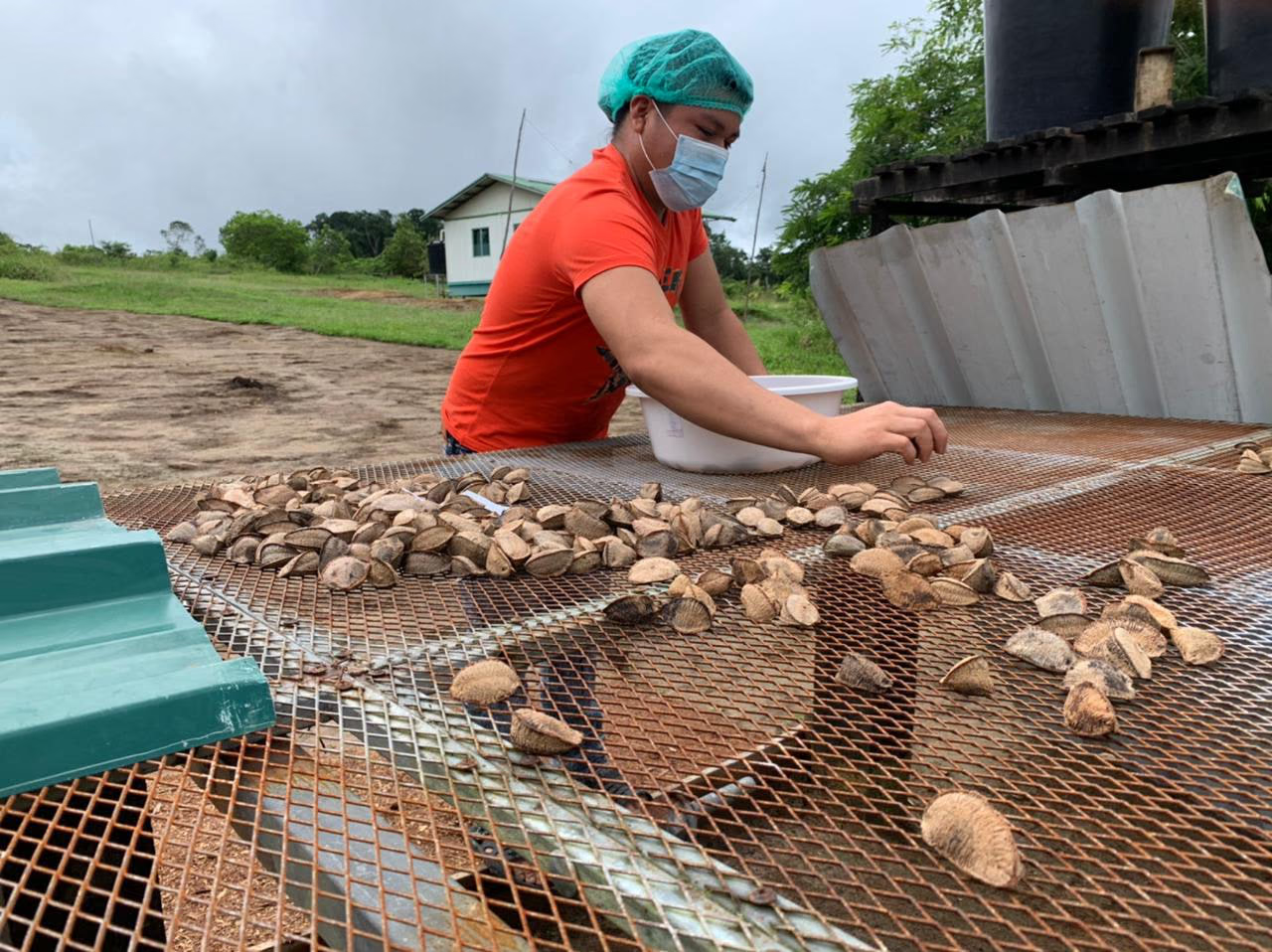
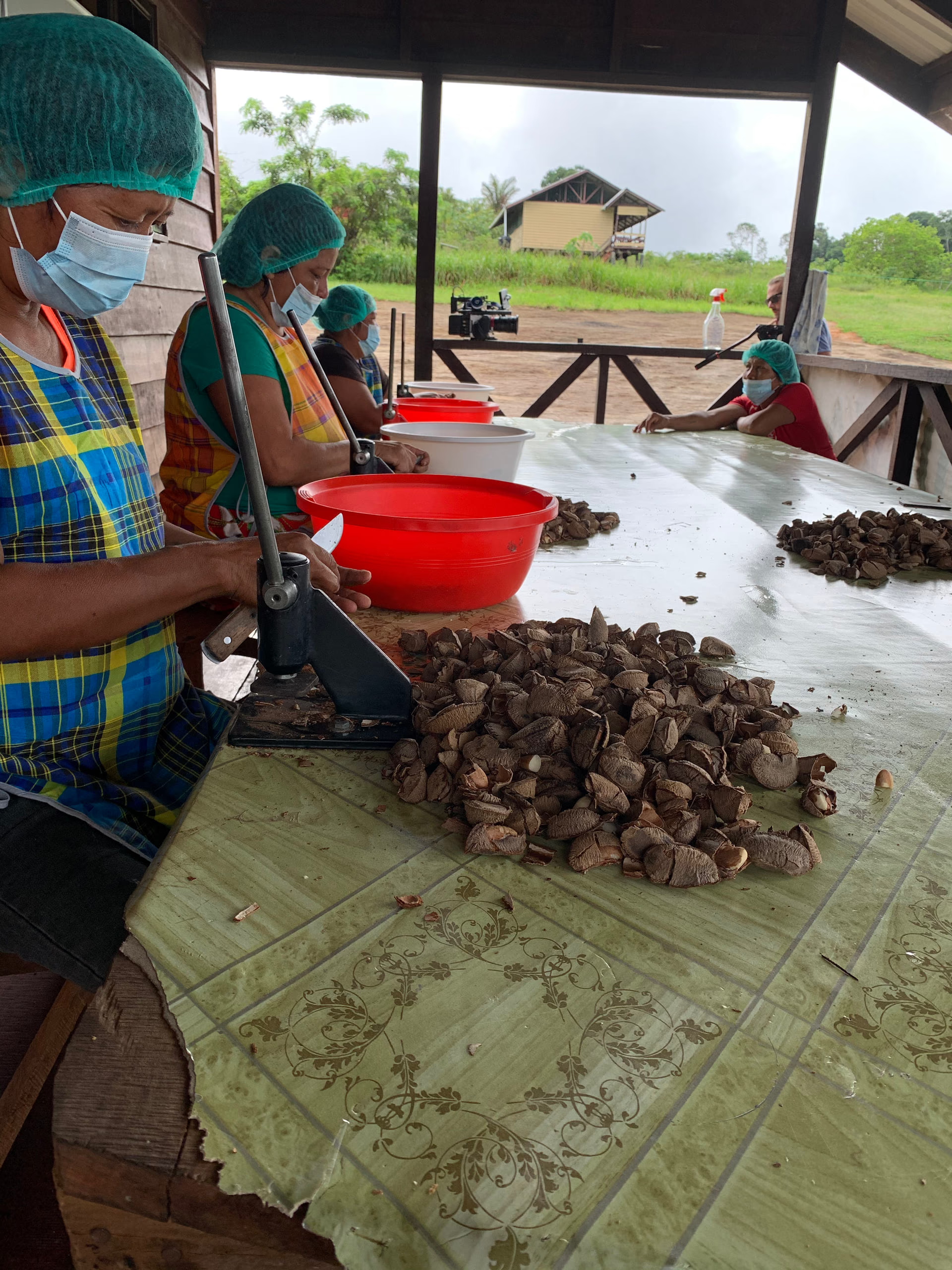
In 2020 a project started to advance forest conservation through a community-owned Brazil-nut enterprise in Alalapadu. The facility was already in production thanks to a partnership between the Alalapadu community and Conservation International Suriname.

Green Growth Suriname supported the community foundation and Conservation International Suriname, in a one-year project, to diversify the product range by researching, designing and setting up a roasted nut line — an extension of the existing Tuhka brand, which already had an oil product.

At the same time the community is trained and supported in conservation monitoring of the 235,000 hectares it pledged to help conserve under a conservation agreement with Conservation International Suriname.

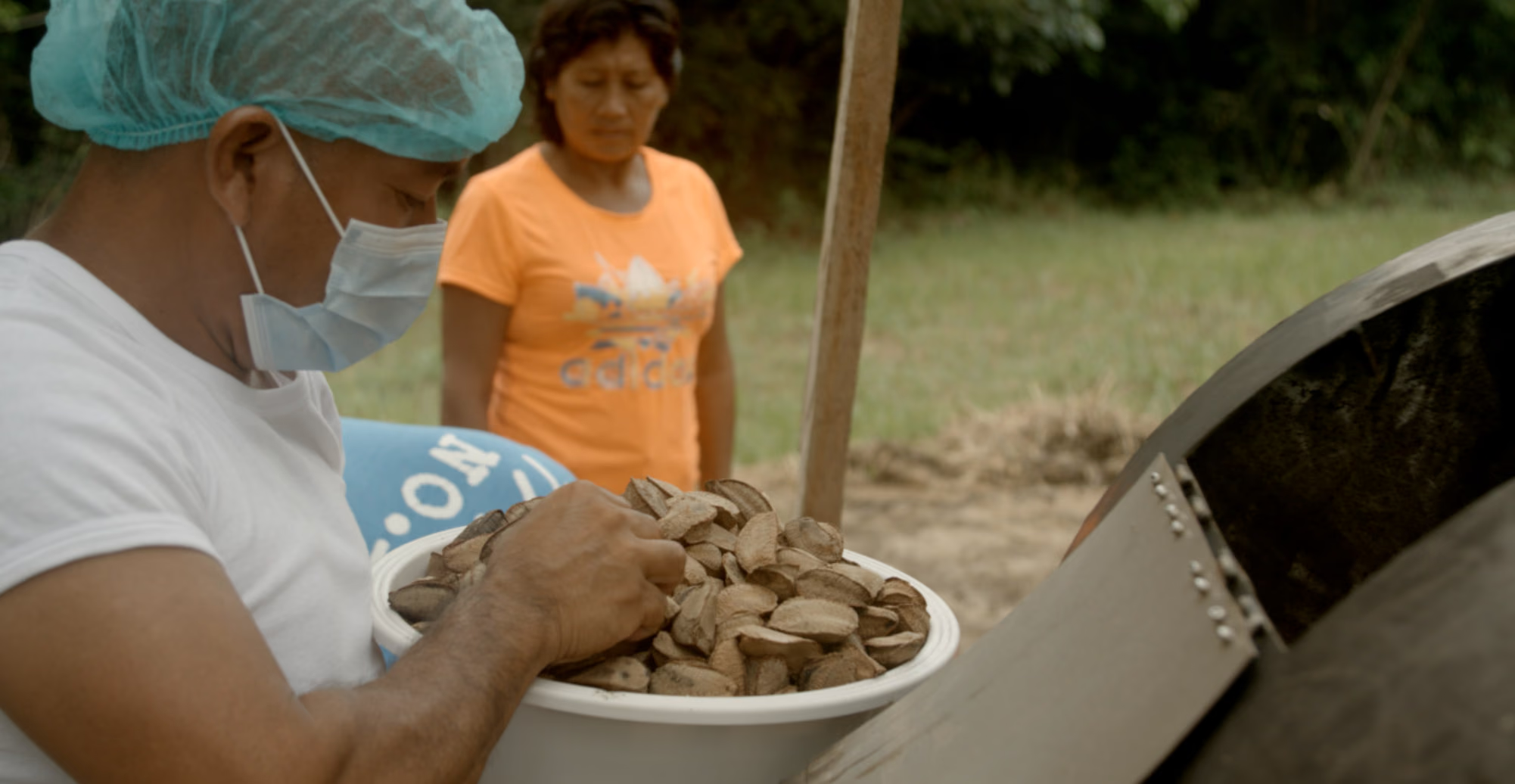
Women cracking Brazil nuts by hand at the Tuhka facility in Alalapadu
Women in Alalapadu cracking Brazil nuts for processing.

New models2020 – ongoing

Forest governance

A three-layered model that opens the forestry sector to the public: satellite monitoring, citizen science, and a weekly web series.

Read more

Research — near-real-time satellite monitoring with the technology of Satelligence. The database shows bi-weekly alerts of changes in forest coverage across the production area of Suriname’s forest, a quarter of the land area, shared publicly via Busi Taki.

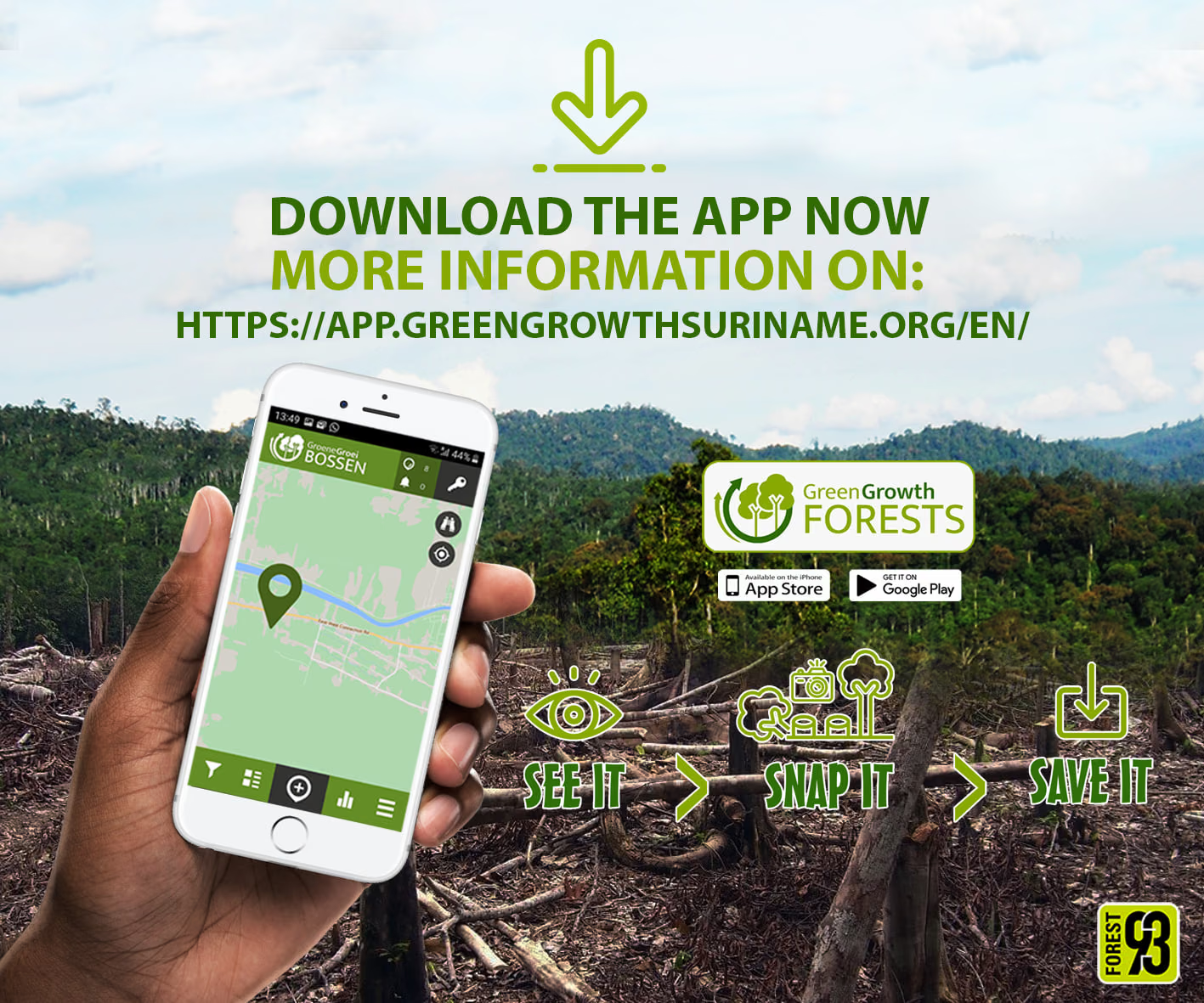
Engagement — citizen science through two mobile apps developed with Spotteron. Green Growth Forests lets anyone photograph and record signs of deforestation or logging; it was released in August 2020 and extended to Guyana in January 2021. Green Growth Wildlife is the first citizen science app published in an Indigenous language.

Awareness — a weekly episode by nature enthusiast and journalist Christio Wijnhard puts the findings in front of the public, drawing on both the apps and the satellite data.

Triangulating the three opens up the governance of the forestry sector, with more and readily available information about activity in the forest. All data is shared with researchers and government institutes.

Promotional graphic for the Green Growth Forests citizen science app, showing the app on a phone
The citizen science apps are available in the app stores.

New models2020 – ongoing

Building blocks for policy support

Studies and assessments delivered to government as technical input to decision-making.

For: Ministry of Spatial Planning and Environment (ROM), NIMOS/National Environment Authority (NMA), The National Assembly (DNA)

Read more

A fee structure for Environmental Impact Assessments, now compulsory under the Environmental Framework Law (2020).

An assessment of historic multilateral and bilateral funding for Suriname’s conservation agenda, and of new funds the country can tap into.

An environmental taxing structure based on the Environmental Framework Law’s condition that the polluter pays.

A realignment of the draft Nature Conservation Act with the Environmental Framework Law. The text is under review by government.

An assessment of the protected areas network and the opportunity to introduce IUCN Categories for Protected Areas into legislation.

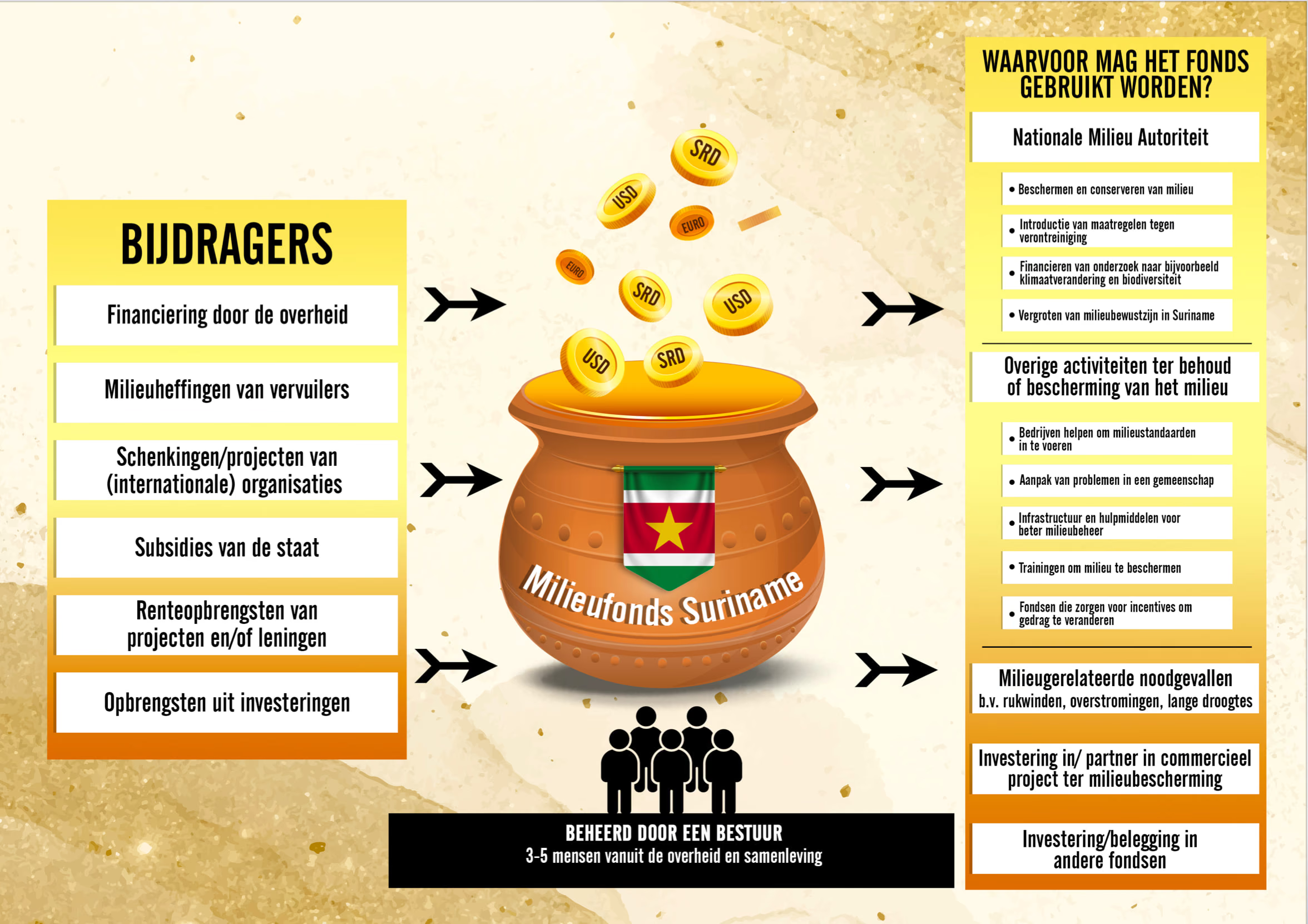
An assessment of environment funds and a design proposal for the Suriname Environment Fund, introduced as a consequence of the Environmental Framework Law (2020).

Handout on the Suriname Environment Fund (Milieufonds Suriname), in Dutch: who contributes to the fund, and what it may be used for
A flyer from the engagement process, showing how the Suriname Environment Fund should work.

Consultancy2020

Stakeholders for a Strategic Environmental Assessment

Stakeholder identification in the forestry and gold mining sectors, to develop Terms of Reference for the Strategic Environmental Assessment of these sectors in Suriname.

For: IUCN Netherlands

2019

Capacity building2019 – 2021

Green Growth Champions

An internal capacity building programme for young Surinamese nationals, which became the FOREST93 Ambassadors.

Read more

Since the start of the foundation, part of its funds have gone to Green Growth Champions — among them the Organisation of Indigenous Suriname (OIS), the oldest organisation for Indigenous peoples in the country; the Tarëno tribe in the south; and Trijana, the consolidated foundation of the Wayana and Tarëno tribes, who populate the nine villages of South Suriname.

The organisation also selected young nationals for an internal programme with a lecture series from professionals in the environment sector. After that initial online programme the champions became FOREST93 Ambassadors, who are featured on the campaign site.